Second opinion

Barts-MS rose-tinted-odometer: zero-★s (black Monday; playing roulette with your patients’ brains)

I recently saw a patient for a second opinion. He was about to start dimethyl fumarate (DMF), but his wife who had spent a lot of time reading about MS wanted him to be treated with something more effective. She had read the MS-Blog (formerly the Barts-MS Blog) and wanted him to have a higher efficacy DMT.

He is only 43 years of age and has had MS for at least 12 years. He had an episode of transverse myelitis when he was 31. At the time his MRI of the brain had no MS-like lesions, but in retrospect, there was subtle brain volume loss; his so-called Sylvian fissures were much too large for a 31-year-old and he had largish lateral ventricles (the fluid-filled spaces in the brain). The clue to the diagnosis of MS was in the spinal fluid analysis that showed the local synthesis of oligoclonal IgG bands; these can now be used in the diagnosis of MS to indicate dissemination in time. This patient was sent away and told to come back if he developed any new symptoms. He did come back with an episode of vertigo and unsteadiness of gait 12 years later. His MRI of the brain was full of MS lesions and he had gross brain volume loss. He was told by his neurologist that he now had relapsing-remitting MS and was eligible for treatment and been offered DMF.

When taking a neurological history this patient had had numerous symptoms that indicated he had had several attacks in the last 12 years. An episode of sharp shooting pains in legs, a period of urinary frequency and urgency, an episode when he had noticed difficulty running with a partial dropping of his right foot. All of these were clearly relapses, which he ignored. The onus of reporting these symptoms had been put on the patient. Maybe things would have turned out differently if he had been seen annually and had regular monitoring MRIs.

On our video consultation, he said he was fully functional, working full-time and had no problems with activities of daily living. This was in keeping with his neurologist’s clinic letter that didn’t mention any abnormal neurological signs and the letter actually played down the MRI findings, by not even mentioning the gross brain atrophy that had been reported by the neuroradiologist on the current MRI.

As I was doing this consultation via a video platform something told me I need to examine this patient. I arranged a face-2-face consultation and when I saw this patient a few weeks later his neurological examination was far from normal. He has jerky eye movement with square-wave jerks indicative of cerebellar involvement. He had bilateral optic disc pallor indicative of optic nerve involvement. He was unable to walk heel-to-toe due to an unsteady gait and he had a positive Romberg’s test, i.e. his body swayed from side to side when he closed his eyes and he would have fallen if I had not told him to open his eyes. He had mild triparesis; i.e. weakness in three out of four limbs. He also had clear cerebellar signs with incoordination in both upper limbs with a mild intention tremor. Finally, he had impaired joint position sensation in the joints of the big toe. 

On taking his history again he now volunteered mild to moderate urinary frequency and sexual dysfunction. His wife who attended with him told me that he had had to stop running a few years ago because of exercise-induced left foot drop, which had been getting worse and now was visible after 2-3 km of walking. She also mentioned limb jerks in bed at night, nocturia and that he had become very forgetful and was having difficulty at work. 

It is clear this gentleman has advanced MS with severe end-organ damage affecting all functional systems. Sadly he has been let down by the system. He should have been told upfront it is likely he had MS. Just maybe cognitive testing and a set evoked potential 12 years ago would have shown dissemination in space and he would have been diagnosed with MS and treated. Instead, his diagnosis of MS has been delayed by 12 years. Based on his history and examination this paint has secondary progressive MS (SPMS). 

Should I label him as having active SPMS and offer him siponimod? Should I say he has highly active MS or rapidly evolving severe MS and try and manipulate the NHS England treatment guidelines to offer him a choice of several high efficacy DMTs? Should I just take the path of least resistance and offer him ocrelizumab or ofatumumab the two very high-efficacy DMTs that can be used first-line in the NHS? Should I not offer him a licensed DMT and refer him for possible enrollment into the high-dose simvastatin trial?

What this pandemic has taught me is that my real skill, which won’t be replaced soon by a robot, is doing a neurological examination and eliciting signs of end-organ damage and then integrating this information with the history, MRI and other investigations. I wonder if the many MS self-monitoring applications that are emerging would have detected and interpreted the clinical examination the way I have done with this patient? 

Interestingly, when I examined this patient he told me that his neurologist,  apart from getting him to walk and test his eye movements, had not done a detailed neurological examination. This is not unusual in clinical practice; in fact, one of our colleagues at the Royal London Hospital has even argued for us not doing the neurological examination at all as it doesn’t add much to either the diagnosis and/or management of his patients. Do you agree with him? 

Christopher H Hawkes. I’ve stopped examining patients! Pract Neurol. 2009 Aug;9(4):192-4.

If you are interested in finding out about what changes to our MS services from the pandemic will stick I suggest you log into the webinar that I am doing later this week with Trishna Bharadia when we will be discussing the impact and changes the pandemic has had om MS services and what I think will change. What is clearly not going to go away is the need for face-2-face consultations and neurological examinations. But then this is referring to my take on things and I may not be correct.

Conflicts of Interest

Preventive Neurology

Twitter

LinkedIn

Medium

General Disclaimer: Please note that the opinions expressed here are those of Professor Giovannoni and do not necessarily reflect the positions of the Barts and The London School of Medicine and Dentistry nor Barts Health NHS Trust.

How many ofatumumab doses should I miss?

Barts-MS rose-tinted-odometer: ★★★ (It feels like a sky blue rainy Friday =  #87ceeb)

“Prof G how many of my monthly ofatumumab injections should I miss to guarantee that I will have an adequate antibody response to the COVID-19 vaccine?”

This was the gist of one of the direct messages I received on Twitter from a person with MS living in the US. 

I really don’t know. However, I have tried extrapolating data from the repopulation kinetics of ofatumumab given 3-monthly and the modelling data below on ocrelizumab and rituximab. For ocrelizumab and rituximab to have 80% confidence it requires at least 9 months from the last infusion to the first vaccination to have a >50% chance of seroconversion in response to an RNA-based COVID-19 vaccine. This equates to missing close to one dose of ocrelizumab or rituximab as you have to wait 9 months then have two vaccine doses and wait 3-4 weeks after your second or booster dose of vaccine before recommencing your 6-monthly infusions. i.e. ~11 months after your last infusion. Although Mike Famulare has treated rituximab and ocrelizumab as being equipotent in his modelling I suspect he is wrong and the gap for ocrelizumab may in fact have to be substantially longer. I predict that the average person will need to wait about 11-12 months post their last infusion of ocrelizumab to be confident of an antibody response.

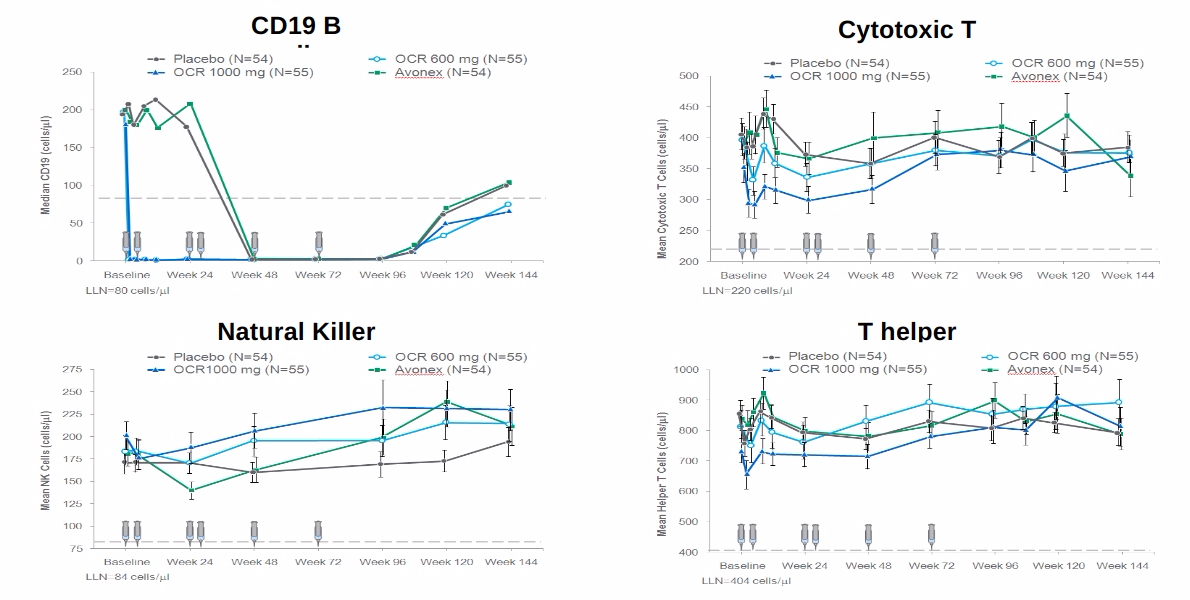
As ofatumumab, is a lower dose anti-CD20, with more rapid B-cell repopulation kinetics than ocrelizumab or rituximab (see figure below). I estimate that you will need to wait about 6 months from your last injection before being vaccinated and you would then have two vaccine doses and wait 3-4 weeks after your second or booster dose of vaccine before recommending your monthly injections. i.e. ~8 months later. As this is all based on modelling I suspect in real life you will simply need to wait for peripheral blood B-cell reconstitution to occur before being vaccinated. The problem with the latter is how high do your peripheral B-cells have to be before being vaccinated; more than 3, 5, 10, 20, 50 or 80 CD19+ B-cells per mm3? Clearly, this is something that needs further study and I would urge Pharma or one of the MS groups interested in answering this question to do the study.  Let’s call it the ‘Peripheral B-cell Threshold Vaccine Study‘ or the ‘PerBeC Vax Study‘.

I want to reiterate that vaccine immunity is not only about B-cell and antibody immunity, T-cells also have an important role to play. Granted that if you don’t make antibodies it indicates that your follicular T-helper cells memory may not be that great, but this does not tell you about other CD4+ and CD8+ T-cell memory responses. Therefore, please be patient until these data emerge. 

My message remains the same; #GetVaccinatedASAP. During this phase of the pandemic, some immunity is better than no immunity. The risk associated with getting COVID-19, particularly if you are on a B-cell depleting agent, far outweighs the risks associated with vaccination. 

covid_vax_seroconversion_probability_vs_time_since_BCDT.png
Seroconversion rate following complete COVID-19 vaccination vs. time since most recent b-cell depleting therapy (BCDT). Best fit, 80%, and 95% confidence interval shows logistic regresssion model of seroconversion probability over time.

Mike Famulare. Seroconversion after COVID-19 vaccination in patients using B-cell depleting therapies to manage multiple sclerosis increases with time between treatment and vaccination. Github v0.2 03 June 2021.

B-cell depleting therapies (BCDT) such as ocrelizumab and rituximab used for the management of multiple sclerosis are associated with reduced seroconversion rates following COVID-19 vaccination. In this note, I reanalyze data from the literature to examine how the probability of seroconversion depends on the time interval between the last BCDT dose and the first vaccine dose. While uncertainty is high due to limited data, the results show that the seroconversion probability increases with time. Under a Bayesian interpretation of logistic regression, I estimate with 80% confidence that it requires at least 9 months from last BCDT to first vaccination to have a >50% chance of seroconversion following complete mRNA vaccination, with large uncertainty on when higher confidence of seroconversion can be expected. Among subjects who do seroconvert following vaccination, anti-Spike IgG levels correlate with time since last BCDT. Limited data indicate that levels comparable with immunocompetent response can be achieved with intervals of 12 or more months between BCDT and vaccination. With combined data from multiple sources, I argue that time development of the seroconversion probability and antibody response parallels that of CD19+ and naive B-cell repopulation following BCDT, suggesting that monitoring B-cell repopulation will be useful at the individual level for optimizing vaccine response while maintaining adequate MS control.

Pharmacodynamic response showing dose-response depletion of CD19 B cells and repletion kinetics (safety population). The median time to repletion based on Kaplan-Meier estimates was ≈11 months for the ofatumumab 3 and 30 mg every 12 weeks groups and ≈14 months for the ofatumumab 60 mg every 12 and 4 weeks groups.

Bar-Or et al.Subcutaneous ofatumumab in patients with relapsing-remitting multiple sclerosis: The MIRROR study. Neurology. 2018 Sep 11;91(11):538. 

Objective: To assess dose-response effects of the anti-CD20 monoclonal antibody ofatumumab on efficacy and safety outcomes in a phase 2b double-blind study of relapsing forms of multiple sclerosis (RMS).

Methods: Patients (n = 232) were randomized to ofatumumab 3, 30, or 60 mg every 12 weeks, ofatumumab 60 mg every 4 weeks, or placebo for a 24-week treatment period, with a primary endpoint of cumulative number of new gadolinium-enhancing lesions (per brain MRI) at week 12. Relapses and safety/tolerability were assessed, and CD19+ peripheral blood B-lymphocyte counts measured. Safety monitoring continued weeks 24 to 48 with subsequent individualized follow-up evaluating B-cell repletion.

Results: The cumulative number of new lesions was reduced by 65% for all ofatumumab dose groups vs placebo (p < 0.001). Post hoc analysis (excluding weeks 1-4) estimated a ≥90% lesion reduction vs placebo (week 12) for all cumulative ofatumumab doses ≥30 mg/12 wk. Dose-dependent CD19 B-cell depletion was observed. Notably, complete depletion was not necessary for a robust treatment effect. The most common adverse event was injection-related reactions (52% ofatumumab, 15% placebo), mild to moderate severity in 97%, most commonly associated with the first dose and diminishing on subsequent dosing.

Conclusion: Imaging showed that all subcutaneous ofatumumab doses demonstrated efficacy (most robust: cumulative doses ≥30 mg/12 wk), with a safety profile consistent with existing ofatumumab data. This treatment effect also occurred with dosage regimens that only partially depleted circulating B cells.

Classification of evidence: This study provides Class I evidence that for patients with RMS, ofatumumab decreases the number of new MRI gadolinium-enhancing lesions 12 weeks after treatment initiation.

Trial registration: ClinicalTrials.gov NCT01457924.

Conflicts of Interest

Preventive Neurology

Twitter

LinkedIn

Medium

General Disclaimer: Please note that the opinions expressed here are those of Professor Giovannoni and do not necessarily reflect the positions of the Barts and The London School of Medicine and Dentistry nor Barts Health NHS Trust.

Do you want to be treated with low-dose anti-CD20 therapy?

Barts-MS rose-tinted-odometer: ★★★★★ (rose-red; a climbing rose with thorns)

I have moved my treatment goal beyond NEIDA (no evident inflammatory disease activity) for my patients with MS. The new focus is on preventing end-organ damage. To achieve this we need to take off the blinkers that the Pharma industry has blinded us with. Our treatment target has to be smouldering MS, i.e. stopping disability progression, normalising brain volume loss, flattening neurofilament levels, stop slowly expanding lesions from getting bigger, clearing the CSF of oligoclonal bands and if possible promoting repair and recovery of the nervous system. 

What good is to be free of relapses and focal MRI activity if you are getting worse? This is why the concept of using low dose anti-CD20 therapy is so flawed. It is clear that study subjects exposed to lower doses of ocrelizumab in the phase 3 trials did as well as those exposed to higher doses in relation to relapses and MRI activity, but not in relation to worsening disability (see slideshow below). 

From this post-hoc analysis, it is clear that you need higher, and not lower, doses of anti-CD20 therapy at least initially as an induction strategy to purge the various B-cell compartments. We hypothesise these compartments house memory B-cells, which may be an important sanctuary for latent EBV and/or the highly autoreactive population of B-cells that drive and maintain the MS-state. This population of cells may reside in the deep tissues and/or the central nervous system. This is why we and others are testing CNS penetrant anti-B-cell strategies (ixazomib, cladribine, BTK inhibitors, etc.), i.e. we are going beyond the peripheral B-cell target. 

However, I have hypothesized that once you have purged these compartments, say after 2 years of treatment you may not need to maintain such high doses of anti-CD20 therapy that will then suppress normal B-cell biology and immune responses, which result in long term complications. This is why I have proposed using ocrelizumab as an immune reconstitution therapy, i.e. high-dose upfront followed by no treatment and wait to see if MS remains in remission or disease-activity returns requiring additional courses. The latter is what we are proposing to do in the ADIOS study. 

Even better would be two years of induction therapy with high-dose ocrelizumab followed by a maintenance therapy such as teriflunomide, leflunomide, IMU-838 (vidofludimus) or ASLAN003 (selective second-generation DHODH inhibitors), HAART (highly active antiretrovirals), famciclovir or another anti-EBV viral agent. 

The hypothesis is to allow B-cell reconstitution after anti-CD20 therapy in the presence of an antiviral agent to prevent EBV reactivation and reinfection of new memory B cells. By doing this you will also be derisking the long-term immunosuppression associated with anti-CD20 therapies and prevent the development of hypogammaglobulinemia. This strategy will also allow patients to respond to vaccines.

However, if you want lower dose anti-CD20 therapy you will be able to start Ofatumumab very soon. Please remember ofatumumab was vastly superior to teriflunomide in suppressing relapses and MRI activity (Pharma’s blinkers) but was not superior to  teriflunomide at slowing down brain volume loss in year two of the ASCLEPIOS I and II clinical trials (NCT02792218 and NCT02792231). Why? 

The following is the fundamental question you should ask yourself.

So what would you choose your MS to be treated with; (1) low-dose anti-CD20, (2) high-dose anti-CD20, (3) high-dose anti-CD20 therapy followed by a maintenance treatment or (4) an immune-reconstitution therapy (cladribine, alemtuzumab or AHSCT)?

Sadly we can’t offer all of these choices to all of our patients with MS in the current NHS treatment landscape. 

Figure from the NEJM.

Hauser et al. Ofatumumab versus Teriflunomide in Multiple Sclerosis. N Engl J Med. 2020 Aug 6;383(6):546-557. 

Background: Ofatumumab, a subcutaneous anti-CD20 monoclonal antibody, selectively depletes B cells. Teriflunomide, an oral inhibitor of pyrimidine synthesis, reduces T-cell and B-cell activation. The relative effects of these two drugs in patients with multiple sclerosis are not known.

Methods: In two double-blind, double-dummy, phase 3 trials, we randomly assigned patients with relapsing multiple sclerosis to receive subcutaneous ofatumumab (20 mg every 4 weeks after 20-mg loading doses at days 1, 7, and 14) or oral teriflunomide (14 mg daily) for up to 30 months. The primary end point was the annualized relapse rate. Secondary end points included disability worsening confirmed at 3 months or 6 months, disability improvement confirmed at 6 months, the number of gadolinium-enhancing lesions per T1-weighted magnetic resonance imaging (MRI) scan, the annualized rate of new or enlarging lesions on T2-weighted MRI, serum neurofilament light chain levels at month 3, and change in brain volume.

Results: Overall, 946 patients were assigned to receive ofatumumab and 936 to receive teriflunomide; the median follow-up was 1.6 years. The annualized relapse rates in the ofatumumab and teriflunomide groups were 0.11 and 0.22, respectively, in trial 1 (difference, -0.11; 95% confidence interval [CI], -0.16 to -0.06; P<0.001) and 0.10 and 0.25 in trial 2 (difference, -0.15; 95% CI, -0.20 to -0.09; P<0.001). In the pooled trials, the percentage of patients with disability worsening confirmed at 3 months was 10.9% with ofatumumab and 15.0% with teriflunomide (hazard ratio, 0.66; P = 0.002); the percentage with disability worsening confirmed at 6 months was 8.1% and 12.0%, respectively (hazard ratio, 0.68; P = 0.01); and the percentage with disability improvement confirmed at 6 months was 11.0% and 8.1% (hazard ratio, 1.35; P = 0.09). The number of gadolinium-enhancing lesions per T1-weighted MRI scan, the annualized rate of lesions on T2-weighted MRI, and serum neurofilament light chain levels, but not the change in brain volume, were in the same direction as the primary end point. Injection-related reactions occurred in 20.2% in the ofatumumab group and in 15.0% in the teriflunomide group (placebo injections). Serious infections occurred in 2.5% and 1.8% of the patients in the respective groups.

Conclusions: Among patients with multiple sclerosis, ofatumumab was associated with lower annualized relapse rates than teriflunomide. (Funded by Novartis; ASCLEPIOS I and II ClinicalTrials.gov numbers, NCT02792218 and NCT02792231.).

Conflicts of Interest

Preventive Neurology

Twitter

LinkedIn

Medium

General Disclaimer: Please note that the opinions expressed here are those of Professor Giovannoni and do not necessarily reflect the positions of the Barts and The London School of Medicine and Dentistry nor Barts Health NHS Trust.

Fingolimod vs. Siponimod

Barts-MS rose-tinted-odometer: ★★ (mid-week sepia = #704214)

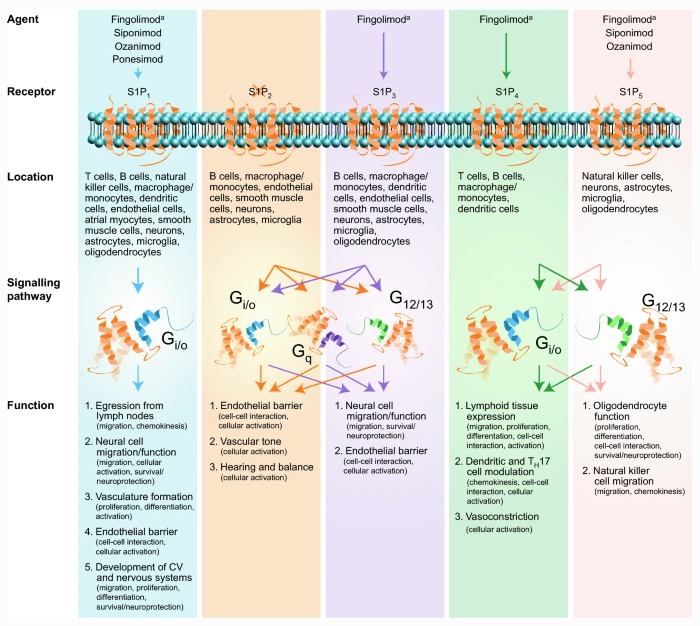
In my post on rebound disease activity in a person with secondary progressive MS switching from fingolimod to siponimod, someone asked whether there is any logic in switching DMTs within the class of S1P modulators. Two or three years ago I would have said no, but now I would say yes. There are well defined and clear differences between the two compounds that may explain their different effects as DMTs in people with more advanced or progressive MS (see figure and table below). 

The fact that fingolimod works on a broader spectrum of S1P receptors may explain why it has a greater effect on peripheral immune function, i.e. its action on S1P4 may explain why it disrupts antibody responses to new vaccines. S1P4 plays an important role in the functioning of germinal centres (GCs) in lymph nodes and other secondary lymphoid organs, i.e. so-called follicular T-helper cells use S1P4 for migration signals. If these cells can’t enter the GCs they can’t help B-cells make good antibody responses. I, therefore, predict that vaccine responses in response to the COVID-19 vaccines will be better preserved with siponimod, ozanimod and ponesimod because this new generation of S1P modulators has less or no activity on S1P4 receptors.  

Fingolimod needs to be phosphorylated to become active, in comparison siponimod is active already. This may explain why siponimod has greater activity on the S1P5 receptor within the central nervous system (CNS) and explains its greater apparent effects on cells within the central nervous system (CNS). It is clear that when you look at the results of the fingolimod in the PPMS trial there was very little evidence that fingolimod was having any effect on the end-organ, i.e. there was no impact on brain volume loss and no difference across any of the clinical endpoints in the PPMS trial. In comparison, siponimod has a clear CNS signal compared to placebo in subjects with SPMS. Compared to placebo, patients on siponimod have less whole brain, grey matter and thalamic volume loss, preservation of brain tissue integrity on MTR, an MRI marker of myelination, and these effects correlated with better preservation of cognition. On the downside, siponimod was associated with a small but significant risk of seizures, which seems to be more common than with fingolimod in adults with MS.  

I have interpreted these results as showing fingolimod as being a more powerful peripheral immunosuppressive therapy but has fewer direct CNS effects. In comparison, siponimod is likely to be less immunosuppressive, but have more direct CNS effects. So based on these differences I think there is a rationale for switching someone on fingolimod to siponimod who has more advanced MS or has transitioned to SPMS. The downside of this switch is that in the NHS you will have to label someone as having SPMS to be able to prescribe siponimod. Using our current criteria SPMS is a one-way street, i.e. once you are labelled as having SPMS you can’t be undiagnosed and converted back to RRMS. As there are no other DMTs currently licensed for SPMS you are therefore theoretically stuck with siponimod. This is why I refer to siponimod as the cul de sac DMT. 

The other issue is that to be eligible for siponimod you have to have active SPMS, i.e. relapses or MRI activity (new or enlarging lesions) in the last 2 years. Most people who develop SPMS on fingolimod have inactive SPMS, which means they are not eligible for siponimod. To become eligible under NHS England guidelines you would have to stop fingolimod and hope you develop rebound disease activity that will then allow you to be eligible for siponimod. I have previously stated that I think this is unethical based on our current biological understanding of MS. In any case, once you label someone as having SPMS on fingolimod you are meant to stop their fingolimod in the NHS; the latter is one of the NHS England’s stopping criteria.

So based on the above if you have transitioned to SPMS on fingolimod would you (1) want to switch to siponimod and (2) would you be prepared to stop fingolimod so that your SPMS became active, i.e. developed rebound disease activity? 

FingolimodSiponimod
MOA: Targets S1P1, S1P3, S1P4 & S1P5MOA: Targets S1P1 & S1P5
No baseline pharmacogenomicsBaseline pharmacogenomics (CYP2C9 genotyping)CYP2C9 Genotypes *1/*1, *1/*2, or *2/*2 = 2 mg/dayCYP2C9 Genotypes *1/*3 or *2/*3  = 1 mg /dayModerate CYP2C9 and strong CYP3A4 inducers are not recommended (e.g. rifampin, carbamazepine) 
First dose monitoring for all patientsFirst dose monitoring in patients with certain pre-existing cardiac conditions
Half life of 6-9 daysHalf life of approximately 30 hours
Lymphocyte counts progressively return to normal range within 1-2 months of stopping therapy in most patientsLymphocyte counts return to the normal range within 10 days of stopping therapy in the vast majority (90%) of patients
Prodrug – needs to phosphorylatedActive compound no need for activation

Conflicts of Interest

Preventive Neurology

Twitter

LinkedIn

Medium

General Disclaimer: Please note that the opinions expressed here are those of Professor Giovannoni and do not necessarily reflect the positions of the Barts and The London School of Medicine and Dentistry nor Barts Health NHS Trust.

Zoster

Barts-MS rose-tinted-odometer: ★ (Bank Holiday Monday morning  blues)

The next marketing battle in terms of MS DMTs will be herpes zoster and how we manage it. Shingles is quite common in the general population, but it is much more common in pwMS. Why? Probably because of the immunosuppression associated with MS DMTs and the use of high-dose steroids to treat relapses and prevent infusion reactions. Put simply Zoster comes with the territory of managing MS. The following figure is from a meta-analysis I have recently done on the rate of zoster reactivation on current MS DMTs relative to other DMTs and compared to what is expected in the background population. Do you find the results surprising? 

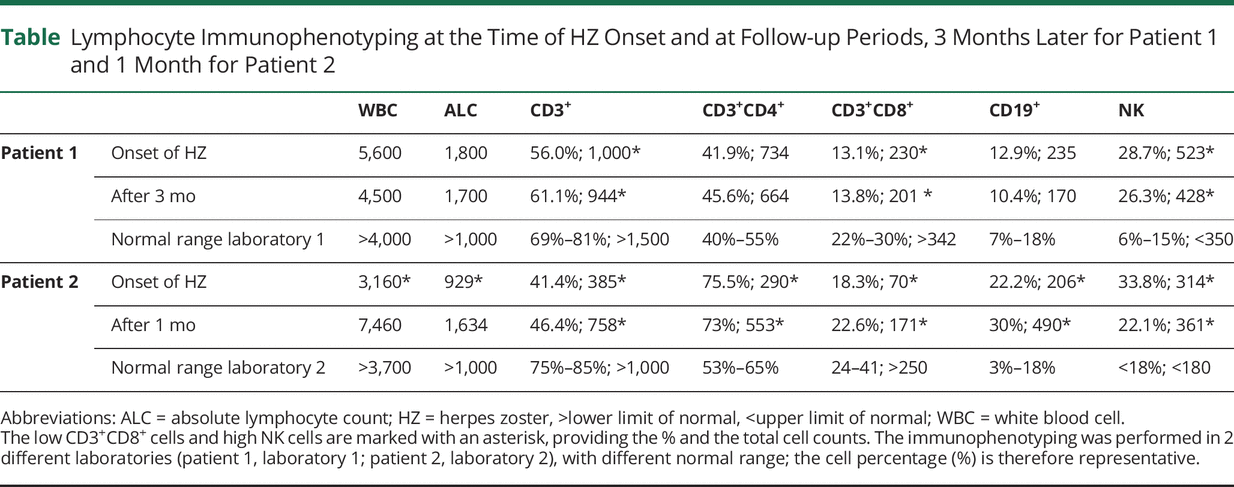
The two reported case studies below of severe shingles/herpes-zoster in two pwMS on dimethyl fumarate demonstrates two things. Firstly, contrary to what most people think DMF is an immunosuppressive compound. Even if we derisk DMF and switch treatments if the total lymphocyte counts drop below 880/mm3 or 500/mm3 there can still be quite a profound CD8+ T-cell lymphopaenia. Secondly, the cases below actually had relatively normal total lymphocyte counts despite low CD8+ T-cell counts. These cases make me wonder if we should be monitoring T-cells subset counts in our patients on DMF. 

The relative sensitivity of CD8+ T-cells to DMF must be a clue to how the drug is working from an immunological perspective. Despite this, the exact mode of action of DMF in MS remains a mystery. 

For several years I have been asking whether or not boosting cytotoxic CD8+ T-cell immunity against the herpes zoster virus with the new Shringex vaccine, prior to starting DMTs, would lower the risk of shingles on treatment. Which brave Pharma company will do this study in the current environment? I suspect a few might take the plunge as vaccine readiness or vaccine responsiveness is now uppermost in the minds of MS experts and their patients. The latter is being driven by the COVID-19 vaccine studies and the demonstration that people on antiCD20 therapies and fingolimod of blunted antibody responses to the vaccines. 

So in summary vaccines, vaccine readiness and derisking infectious complications, in particular herpes zoster, will be the next marketing battleground in the MS DMT wars. Did your HCP discuss the zoster risk with you prior to start you on a DMT?

Anagnostouli et al. Aggressive Herpes Zoster in Young Patients With Multiple Sclerosis Under Dimethyl Fumarate: Significance of CD8 + and Natural Killer Cells. Neurol Neuroimmunol Neuroinflamm. 2021 May 28;8(4):e1017. 

Conflicts of Interest

Preventive Neurology

Twitter

LinkedIn

Medium

General Disclaimer: Please note that the opinions expressed here are those of Professor Giovannoni and do not necessarily reflect the positions of the Barts and The London School of Medicine and Dentistry nor Barts Health NHS Trust.

Be careful when switching from Fingolimod to Siponimod

Barts-MS rose-tinted-odometer: zero-★s (purple Sunday)

The following case suggests a horizontal switch from fingolimod to siponimod may not be the wisest thing to do. This patient developed severe fingolimod rebound despite switching to siponimod without a washout. As you know fingolimod works on 4 out of 5 of S1P receptors (S1P1, 3, 4, and 5). In comparison, siponimod works on S1P1 and S1P5 only. Is this telling us that some of the modes of action of the S1P modulators are via S1P3 and S1P4? I suspect Yes. S1P4 may be important for antigen presentation and germinal centre (GC) function in lymph nodes and other secondary lymphoid organs, which explains why COVID-19 vaccine responses are so flat in pwMS on fingolimod. If this is correct then we may see better vaccine response in patients on the other S1P modulators that don’t impact GC biology to the same extent.  

I predict that there will be many more patients like this. The important thing is to ask why and to explore exactly what the differences are between fingolimod and siponimod on immune function in MS. Who knows what it is telling us about the cause and immunology of MS. 

Senzaki et al. Disease reactivation in a patient with secondary progressive multiple sclerosis after switching treatment from fingolimod to siponimod. eNeurologicalSci. 2021 May 15;23:100346. doi: 10.1016/j.ensci.2021.100346.

Excerpt: …… A 42-year-old woman with RRMS was started on fingolimod due to high disease activity; three relapses in the previous year and the presence of gadolinium-enhancing brain lesions before fingolimod. During the first two years after initiation of fingolimod, she experienced several relapses with incomplete recovery and progressive increase in brain magnetic resonance imaging (MRI) lesion load, and her EDSS deteriorated from 3.5 to 5.5. In the next five years, she was relapse-free without MRI activity; however, her disability gradually worsened to EDSS score of 7.0 and she was diagnosed with SPMS. Fingolimod was switched to siponimod without a wash-out period. Peripheral lymphocyte count at initiation of siponimod (day 1) was 376/μL, and 433/μL at day 7. She developed double vision at day 11.  Neurological examination revealed no new additional findings except for right internuclear ophthalmoplegia. Brain MRI showed multiple hyperintense infra- and supra-tentorial lesions on fluid-attenuated inversion-recovery images, some of which were enhanced with gadolinium (Fig. 1).

Conflicts of Interest

Preventive Neurology

Twitter

LinkedIn

Medium

General Disclaimer: Please note that the opinions expressed here are those of Professor Giovannoni and do not necessarily reflect the positions of the Barts and The London School of Medicine and Dentistry nor Barts Health NHS Trust.

NEO-EOD

Barts-MS rose-tinted-odometer: ★ (milk chocolate; bitter-sweet and addictive)

I often refer to MS as being a pink-ribbon disease as close to 70% of pwMS are women. 

The rising sex ratio from approximately 1:1 at the turn of the last century to almost 3:1 in most high MS incidence countries and to close to 5:1 in some areas of the world where the MS epidemic is still raging, justifies the pink-ribbon label. Explaining the rising female-to-male sex ratio really challenges those of us who think about MS and causation theory. If EBV is the cause of MS how does the EBV hypothesis explain the changing sex ratio? If you have any explanations or theories to explain the changing MS sex ratio I would be very very keen to hear them. 

AHSCT or autologous haematopoietic stem cell transplantation has been getting quite a lot of air time recently. It is because it is such an effective treatment with the majority of people treated becoming NEDA, i.e. having no evident MS disease activity, and having the rate of their brain volume loss ‘normalised’ to be within the range of what you expect as a result of normal ageing. I am beginning to refer to this as NEO-EOD (no evident ongoing end-organ damage). 

The problem with AHSCT is its safety profile and its associated adverse events (AEs). Despite the enthusiasm for AHSCT treatment from its very vocal supporters, the associated serious AEs are not trivial. The one AE that is the most troubling and often results in female patients saying no to a referral for AHSCT is the infertility risk. The chemotherapy used to mobilise haematopoietic stem cells and to ablate the immune system is toxic to the gonads. Men can easily bank sperm, but for women, the procedure of egg harvesting and egg banking is not trivial and it is expensive. In addition, many healthcare providers don’t cover the costs of banking; even in the UK, the latter is an NHS post-code lottery with some CCGs paying where others don’t. 

Therefore, some pwMS simply take their chances with fertility. I am aware that the London haematologist that sees most of our patients quotes a figure of 40-45% for the rate of premature ovarian failure post-AHSCT. I think this figure is based on all non-cancer patients and is not necessarily specific to pwMS.  Therefore it is reassuring to see the study from Italy below showing the rate to 30%, i.e. 70% of women with MS who are treated with AHSCT recover their menses. I suspect this is only half the story because the women who start to menstruate again may still be at risk of POF (premature ovarian failure) because the chemotherapy will have reduced their ovarian reserve, by culling a proportion of the ovaries oocytes or eggs. So this figure of 30% will increase with time and may end up being 45% or higher.

So it is not just about expanding access to AHSCT that is the issue but managing the AEs such as infertility that complicate the wide adoption of AHSCT for the treatment of MS. This is why I find patients tend to choose alemtuzumab over AHSCT when all of the pros and cons are presented side-by-side. So when you frame MS treatments with AHSCT as being the most effective treatment on the right people often move to the left and choose a treatment that may be less effective, but safer and unlikely to affect their fertility.   

Please note I say alemtuzumab may be less effective, but I could easily say as effective, as AHSCT. Until we compare these treatments head-2-head we won’t know which is more effective. What I can say is that alemtuzumab and AHSCT are the most effective DMTs at rendering pwMS NEO-EOD.

Massarotti et al. Menstrual cycle resumption and female fertility after autologous hematopoietic stem cell transplantation for multiple sclerosis. Mult Scler. 2021 Mar 12;13524585211000616.

Data on fertility after autologous hematopoietic stem cell transplantation (aHSCT) in women with multiple sclerosis (MS) are inconclusive. This study aims to report on post-aHSCT menstrual resumption in a multi-center MS-women cohort. Out of 43 women, 30 (70%) recovered menses after a mean time of 6.8 months. Older age (odds ratio (OR) = 0.5, p < 0.0001) and previous pulsed cyclophosphamide (OR = 0.44, p = 0.005) were independently associated with a reduced menstrual recovery probability. Conditioning regimens’ intensity resulted not associated with post-procedure amenorrhea. Our results highlight younger age as significantly associated with menses recovery; proper fertility counseling for MS women candidates to aHSCT both prior- and post-transplantation is therefore warranted.

Conflicts of Interest

Preventive Neurology

Twitter

LinkedIn

Medium

General Disclaimer: Please note that the opinions expressed here are those of Professor Giovannoni and do not necessarily reflect the positions of the Barts and The London School of Medicine and Dentistry nor Barts Health NHS Trust.
Disrupt the Status Quo

Barts-MS rose-tinted-odometer: ★★★★★ (seeing turquoise; creative turquoise Friday)

She was 42 years of age and had had MS for 16 years. After a relapse in 2016, she was switched from interferon-beta to fingolimod. Despite being NEDA-2 ( no relapses or focal MRI activity) since starting fingolimod her disability has worsened with her EDSS going from 4.5 (walking unaided for more than 300m) to 6.0 (needing a walking stick to walk 100m). Clearly, fingolimod is doing what it should do, i.e. keeping relapse and MRI activity at bay. What can we add-on to fingolimod to stop worsening disability? 

To answer this question we need to tackle smouldering MS in a creative way; one way is to use the so-called “Simon 2-stage, single-centre, phase 2, single-arm futility trial”. The Simon design comes from oncology and allows multiple treatment regimens to be compared. The idea is to screen treatments using an initial futility study and if you pass this phase you can then stop for futility but you don’t stop if there is evidence for an overwhelming effect on the outcome. A non-futile treatment can be taken forward for further testing in a phase 2b study. 

The Simon 2-stage design provides initial evidence supporting or opposing a specific treatment, which then requires confirmation. I can see us using this trial design to test the long list of potential repurposed add-on treatments we  have to tackle smouldering MS. I see no reason why we can’t use this trial design in a factorial way to test combination therapies, i.e. to build  a MS-MDT sandwich. 

The study below uses the Simon 2-stage design to test oral domperidone, an anti-nausea drug, in SPMS. The hypothesis was that the increase in the hormone prolactin-induced as a side-effect of domperidone would stimulate remyelination, which will improve or at least slowdown disability progression. Sadly it didn’t but it shows that this route is feasible.

I wonder if we could set up a ‘disruptive Simon-stage-2 trial platform’ for pwMS to run their own trials of over-the-counter medications and/or supplements. The platform will screen patients online and assess trial eligibility using PROMs (patient-related outcomes) and then randomise them to different treatment arms. The trial platform will then follow them up via smartphones using the futility design. The primary and secondary outcomes will all be self-monitored using smartphone technology. Wouldn’t it be cool if patients with progressive MS took control of their own trials and generated the evidence to support taking some of the supplements or medication a lot of pwMS take anyway; an example could be alpha-lipoic acid. 

You may remember that Patients Like-Me did something similar with lithium in motor neuron disease a few years ago. The article by Paul Wicks ‘Patient Study Thyself’ highlighted below explains the process and is really asking people with disease to disrupt the status quo. I would urge you to go for it!  

Koch et al. Repurposing Domperidone in Secondary Progressive Multiple Sclerosis: A Simon 2-Stage Phase 2 Futility Trial. Neurology. 2021 May 4;96(18):e2313-e2322.

Objective: To assess whether treatment with the generic drug domperidone can reduce the progression of disability in secondary progressive multiple sclerosis (SPMS), we conducted a phase 2 futility trial following the Simon 2-stage design.

Methods: We enrolled patients in an open-label, Simon 2-stage, single-center, phase 2, single-arm futility trial at the Calgary Multiple Sclerosis Clinic if they met the following criteria: age of 18 to 60 years, SPMS, screening Expanded Disability Status Scale score of 4.0 to 6.5, and screening timed 25-ft walk (T25FW) of ≥9 seconds. Patients received domperidone 10 mg 4 times daily for 1 year. The primary outcome was worsening of disability, defined as worsening of the T25FW performance by ≥20% at 12 months compared to baseline. This trial is registered with ClinicalTrials.gov (NCT02308137).

Results: Between February 13, 2015, and January 3, 2020, 110 patients were screened, 81 received treatment, and 64 completed follow-up, of whom 62 were analyzed. The study did not meet its primary endpoint: 22 of 62 (35%) patients experienced significant worsening of disability, which is close to the expected proportion of 40% and above the predefined futility threshold. Patients with higher prolactin levels during the study had a significantly lower risk of disability progression, which may warrant further investigation. Domperidone treatment was reasonably well tolerated, but adverse events occurred in 84% and serious adverse events in 15% of patients.

Conclusions: Domperidone treatment could not reject futility in reducing disability progression in SPMS. The Simon 2-stage trial model may be a useful model for phase 2 studies in progressive MS.

Trial registration information: ClinicalTrials.gov Identifier: NCT02308137.

Classification of evidence: This study provides Class III evidence that in individuals with SPMS participating in a futility trial, domperidone treatment could not reject futility in reducing disability progression at 12 months.

Paul Wicks. Patient, study thyself. BMC Medicine volume 16, Article number: 217 (2018).

The past 15 years have seen the emergence of a new paradigm in medical research, namely of people living with medical conditions (whether patients, parents, or caregivers) using digital tools to conduct N-of-1 trials and scientifically grounded research on themselves, whilst using the Internet to form communities of like-minded individuals willing to self-experiment. Prominent examples can be found in amyotrophic lateral sclerosis/motor neurone disease (the ‘lithium study’ on PatientsLikeMe), Parkinson’s disease (‘digital patient’ Sara Riggare), and diabetes (the ‘open artificial pancreas’ of the #WeAreNotWaiting movement). Through transparency, data sharing, open source code, and publication in the peer-reviewed scientific literature, such activities conform to expected scientific conventions. However, other conventions, such as ethical oversight, regulation, professionalization, and the ability to translate this new form of relatively biased data into generalizable decisions, remain challenged. While critics worry such participant-led research merely muddies the waters of high-quality medical research and exposes patients to new harms, the potential is there to enroll millions of active minds in unravelling the wicked problems of complex medical disorders that degrade the human health span.

Conflicts of Interest

Preventive Neurology

Twitter

LinkedIn

Medium

General Disclaimer: Please note that the opinions expressed here are those of Professor Giovannoni and do not necessarily reflect the positions of the Barts and The London School of Medicine and Dentistry nor Barts Health NHS Trust.

CURE-3

Barts-MS rose-tinted-odometer: ★★★★★ (still seeing red, despite Summer having finally arrived)

I am considering retraining as a medical philosopher. The thinking of the MS research community is riddled with fundamental errors that could be sorted out by applying basic philosophical principles. One example is the diagnostic tautology we are wedded to in how we define MS as a disease. Another relates to the classification of categorical MS disease states. Defining an MS cure, etc. I am also being criticised for supporting two conflicting, juxtaposed theories about the potential cause of MS. How can I ‘believe’ MS is caused by EBV and at the same time talk about IRTs (immune reconstitution therapies) potentially curing MS as an autoimmune disease.

The reality is that scientists are not religious and don’t hold beliefs. Scientists put forward hypotheses, which are then tested and refined. Over time hypotheses get rejected and/or evolve and if the experimental evidence becomes overwhelming they enter the canon of human knowledge as facts. In comparison, beliefs are immutable and cannot be challenged. Therefore, I don’t believe EBV is the cause of MS and I don’t believe MS is an autoimmune disease. I hypothesise that EBV is the cause of MS, I hypothesise that MS is an autoimmune disease and I hypothesise that these two theories are not mutually exclusive, i.e. MS can be caused by EBV and still be an autoimmune disease. In other words, EBV is the driver of autoimmunity and by removing EBV from the MS causal pathway you prevent or cure MS. 

To prevent EBV infection we are exploring doing an EBV vaccine trial in people at high risk of MS and then following them to see if they go on to develop MS or not. This experimental paradigm is well-rehearsed and relatively easy to understand. 

What is not easy to understand is how EBV causes MS. One theory is that EBV simply provides autoreactive B-cells and T-cells with a survival advantage and as a result, they persist, expand in numbers and become dysregulated, which tips over into autoimmunity that becomes self-perpetuating. How EBV does this is not known. One mechanism that I have proposed is that because EBV infection causes B-cells and T-cells to hyperproliferative, i.e. go through many cell divisions, they acquire so-called somatic mutations in their genomes that sets the stage for autoimmunity.

There is mounting evidence in MS that the majority of pwMS have somatic (in the body and not in the germline) mutations in T-cells and B-cells (see studies below). These mutations could provide these cells or clones with a survival advantage, based on simple Darwinian selection principles, which explains why they persist and expand in number. Think of these cells as being like a kind of benign tumour. The important thing is that these cells can be killed using aggressive immunodepletion strategies such as AHSCT or alemtuzumab treatment. 

Another thing to remember is that it may not be one but several somatic mutations that are required to trigger autoimmunity. So if you purge the downstream autoimmune clones, but leave the upstream driver clones behind, they may have the potential to acquire new mutations and hence reactivate autoimmunity in the future. This could explain why some people who go into long-term remission after HSCT or alemtuzumab treatment breakthrough many years later with recurrent MS disease activity. 

The two studies below show that pwMS harbour many somatic mutations in their circulating B-cells and T-cells. These data not only underpin the hypotheses presented above, but also support the hypotheses that MS is an autoimmune disease triggered by EBV and that it can be cured by an immune reconstitution therapy. 

So I won’t be deterred by my campaign to define what an MS cure looks like so that we can look for it and claim it as a victory in the management of this awful disease

Yes, I am a big supporter of the hypothesis that MS is a curable disease and this position is absolutely compatible with my positions on the role of EBV and autoimmunity in causing MS. Do you disagree?

The great tragedy is that if IRTs cure MS in a proportion of pwMS, why are we not using IRTs more widely? Now that is the big story that can be told another day.  

Our current approach to treating MS. Photo by Luis Villasmil on Unsplash

van Horebeek et al.  A robust pipeline with high replication rate for detection of somatic variants in the adaptive immune system as a source of common genetic variation in autoimmune disease. Hum Mol Genet. 2019 Apr 15;28(8):1369-1380.

The role of somatic variants in diseases beyond cancer is increasingly being recognized, with potential roles in autoinflammatory and autoimmune diseases. However, as mutation rates and allele fractions are lower, studies in these diseases are substantially less tolerant of false positives, and bio-informatics algorithms require high replication rates. We developed a pipeline combining two variant callers, MuTect2 and VarScan2, with technical filtering and prioritization. Our pipeline detects somatic variants with allele fractions as low as 0.5% and achieves a replication rate of >55%. Validation in an independent data set demonstrates excellent performance (sensitivity > 57%, specificity > 98%, replication rate > 80%). We applied this pipeline to the autoimmune disease multiple sclerosis (MS) as a proof-of-principle. We demonstrate that 60% of MS patients carry 2-10 exonic somatic variants in their peripheral blood T and B cells, with the vast majority (80%) occurring in T cells and variants persisting over time. Synonymous variants significantly co-occur with non-synonymous variants. Systematic characterization indicates somatic variants are enriched for being novel or very rare in public databases of germline variants and trend towards being more damaging and conserved, as reflected by higher phred-scaled combined annotation-dependent depletion (CADD) and genomic evolutionary rate profiling (GERP) scores. Our pipeline and proof-of-principle now warrant further investigation of common somatic genetic variation on top of inherited genetic variation in the context of autoimmune disease, where it may offer subtle survival advantages to immune cells and contribute to the capacity of these cells to participate in the autoimmune reaction.

Valori et al. A novel class of somatic mutations in blood detected preferentially in CD8+ cells. Clin Immunol. 2017 Feb;175:75-81.

Somatic mutations have a central role in cancer but their role in other diseases such as autoimmune disorders is poorly understood. Earlier work has provided indirect evidence of rare somatic mutations in autoreactive T-lymphocytes in multiple sclerosis (MS) patients but such mutations have not been identified thus far. We analysed somatic mutations in blood in 16 patients with relapsing MS and 4 with other neurological autoimmune disease. To facilitate the detection of somatic mutations CD4+, CD8+, CD19+ and CD4-/CD8-/CD19- cell subpopulations were separated. We performed next-generation DNA sequencing targeting 986 immune-related genes. Somatic mutations were called by comparing the sequence data of each cell subpopulation to other subpopulations of the same patient and validated by amplicon sequencing. We found non-synonymous somatic mutations in 12 (60%) patients (10 MS, 1 myasthenia gravis, 1 narcolepsy). There were 27 mutations, all different and mostly novel (67%). They were discovered at subpopulation-wise allelic fractions of 0.2%-4.6% (median 0.95%). Multiple mutations were found in 8 patients. The mutations were enriched in CD8+ cells (85% of mutations). In follow-up after a median time of 2.3years, 96% of the mutations were still detectable. These results unravel a novel class of persistent somatic mutations, many of which were in genes that may play a role in autoimmunity (ATM, BTK, CD46, CD180, CLIP2, HMMR, IKFZF3, ITGB3, KIR3DL2, MAPK10, CD56/NCAM1, RBM6, RORA, RPA1 and STAT3). Whether some of this class of mutations plays a role in disease is currently unclear, but these results define an interesting hitherto unknown research target for future studies.

Conflicts of Interest

Preventive Neurology

Twitter

LinkedIn

Medium

General Disclaimer: Please note that the opinions expressed here are those of Professor Giovannoni and do not necessarily reflect the positions of the Barts and The London School of Medicine and Dentistry nor Barts Health NHS Trust.

Anti-CD20 more than just B-cell depletion

Barts-MS rose-tinted-odometer: ★★ (amber; a sleep deprived colour somewhere between yellow and orange)

It has become clear that the anti-CD20 therapies are more than just anti-B-cell therapies. Minority populations of both CD4+ and CD8+ T-cells and NK-cells express CD20 and are depleted after both rituximab and ocrelizumab treatment. 

It looks as if ocrelizumab may be more effective in deleting this population of cells and may explain why herpes zoster or shingles is more common after ocrelizumab, compared to rituximab, than what you would expect based on its putative B-cell only targeting effect. The mild depletion of this population of cells may also explain why pwMS on ocrelizumab are at higher risk of getting COVID-19 and severe COVID-19

The study below shows that this population of cells express a so-called CTL or cytotoxic phenotype that fits in with the zoster and COVID-19 data. This also raises concerns that just maybe peripheral tumour immune surveillance is also compromised on anti-CD20 therapies. The tumour signal however is likely to be small as a large secondary cancer signal would likely have emerged already on the anti-CD20s.

More topical is the role these CD20-expressing T-cells play in vaccine responses. If they are important in vaccine immunity then patients with MS on anti-CD20 therapies who lack this population of T-cells may not develop adequate T-cell immunity in response to vaccination. We won’t have long to wait for the latter data as many immunology laboratories are busy trying to get their T-cell vaccine data out as soon as possible. 

So yes there is much more to the immunology of anti-CD20 therapy than simple B-cell depletion. Could the T-cell compartment targeted by anti-Cd20 therapies be as important or more important than the B-cell compartment? There is so much more to learn about how MS DMTs really work, in particular the anti-CD20 therapies. 

Boldrini et al. Cytotoxic profile of CD3+CD20+ T cells in progressive multiple sclerosis. Mult Scler Relat Disord. 2021 May 7;52:103013.

Recently, it was shown that highly effective anti-CD20 therapies used for MS patients not only deplete CD20+ B cells, but also a small subset of T cells expressing CD20 surface marker (CD3+CD20+ T cells). Here we demonstrated that, in progressive MS patients, CD3+CD20+ T cells share the ability to express cytotoxic factors such as perforin and serine-protease granzyme-B (GzmB), classically associated with CD8+ T cells functionality. Beyond it, cluster analyses show that a set of activation markers and transcriptional factors related with CD8 effector program are also expressed in CD3+CD20+ T cells. Further characterization of surface and functional markers from CD3+CD20+ T subsets may be helpful for development of new therapeutic strategies mainly for progressive MS patients, as well as for assessing pathophysiological effects of highly effective anti-CD20 therapies.

Conflicts of Interest

Preventive Neurology

Twitter

LinkedIn

Medium

General Disclaimer: Please note that the opinions expressed here are those of Professor Giovannoni and do not necessarily reflect the positions of the Barts and The London School of Medicine and Dentistry nor Barts Health NHS Trust.