Prevention vs. cure

Barts-MS rose-tinted-odometer: ★★★★★ (a bright blue buzz – #0096FF)

I was at a mid-summer party last night when someone suggested that I should not waste my time trying to answer peripheral or trivial questions in relation to MS and focus on the really big questions. 

This got me thinking about which are the biggest MS questions in MS that I can try to tackle and answer. Apart from (1) MS prevention, i.e. does preventing primary EBV infection with a sterilizing EBV vaccine prevent MS, the next major question must relate to (2) curing MS

The BIG-C issue is one I have been exploring on this blog for several years but is hampered by defining what an MS cure looks like and then looking for it. The problem with the latter is the issue of smouldering MS, which clouds the definition of a cure. Even if you cure someone from the biological drivers of MS, if they have relatively advanced MS they may still get worse from downstream smouldering processes that become independent of the initial MS attack(s). So the only solution is to test the hypothesis of an MS cure is very early in the disease, i.e. at the RIS (radiologically-isolated syndrome) or CIS (clinically-isolated syndrome) stage. 

To cure MS what treatment strategy do you need to use?  I have made the point that we can only cure MS with an IRT (immune reconstitution therapy) and at present we only have three IRTs that are used routinely in MS., i.e. cladribine, alemtuzumab and AHSCT. It is clear that cladribine is the safest IRT and has the added advantage as being the most CNS penetrant, which I think is important. Cladribine levels in the spinal fluid of treated patients are high enough to have an effect on CNS resident T and B-cells. Cladribine is also the safest and easiest IRT to use and therefore the most likely to get widely adopted. I am convinced  that a proportion of pwMS treated early, within 12 to 24 months of MS diagnosis, with either alemtuzumab and AHSCT are cured. Despite the stunning results of this treatment approach the adoption of both alemtuzumab and AHSCT as a mainstream treatment for MS has been abysmal. I suspect cladribine as an early effective treatment would have a greater chance of being adopted. My conclusion then is that the IRT has to be cladribine and it has to be done evry early at the CIS or RIS stage. 

But this experiment has already been done. The ORACLE study below was of oral cladribine in CIS. So what has happened to these patients? We don’t know, which is why Merck is doing the CLASSIC MS study to try and find out what has happened to these patients with CIS. Wouldn’t it be brilliant if a significant proportion of the cladribine exposed patients have not developed MS compared to those in the placebo group? Would this be sufficient to convince the wider MS community that very early cladribine treatment cures a proportion of people with CIS, i.e. prevents them from developing MS?  I suspect not. This is why a new global RIS-CIS study will need to be done. 

Please note some people would argue that stopping people with CIS from getting MS is MS prevention, whereas others would argue, including me, that CIS is already MS and hence preventing CIS from becoming MS is an MS cure. This is not just semantics but challenges disease definitions and is an important philosophical debate. This is why I want to study medical philosophy to tackle some of these issues.


Kaplan–Meier estimates of time to conversion to CDMS and McDonald MS in the intention-to-treat population during the double-blind period. Cumulative percentage probability of conversion to (A) CDMS according to the Poser criteria and (B) MS according to the 2005 McDonald criteria. CDMS=clinically definite multiple sclerosis. MS=multiple sclerosis. Figure from Lancet Neurol 2014.

Leist  et al. Effect of oral cladribine on time to conversion to clinically definite multiple sclerosis in patients with a first demyelinating event (ORACLE MS): a phase 3 randomised trial. Lancet Neurol. 2014 Mar;13(3):257-67.

Background: Patients who develop relapsing-remitting multiple sclerosis (MS) present with a first clinical demyelinating event. In this double-blind, multicentre, randomised, phase 3 study we investigated the effect of oral cladribine on conversion to clinically definite MS in patients with a first clinical demyelinating event, when given at the same doses shown to be effective in relapsing-remitting MS.

Methods: Between Oct 21, 2008, and Oct 11, 2010, we recruited patients aged 18-55 years, inclusive, from 160 hospitals, private clinics, or treatment centres in 34 countries. Eligible patients had a first clinical demyelinating event within 75 days before screening, at least two clinically silent lesions of at least 3 mm on a T2-weighted brain MRI scan, and an Expanded Disability Status Scale score of 5.0 or lower. Patients with a first clinical demyelinating event ≤75 days before screening were randomly assigned (1:1:1) to receive cladribine tablets at cumulative doses of 5.25 mg/kg or 3.5 mg/kg or placebo. Randomisation was done with a central web-based randomisation system and was stratified by geographic region. Masking was maintained using a two-physician model. The primary endpoint of this 96-week study was time to conversion to clinically definite MS according to the Poser criteria. This study is registered with ClinicalTrials.gov, number NCT00725985.

Findings: Of 903 participants assessed for eligibility, 616 patients received cladribine 5.25 mg/kg (n=204), cladribine 3.5 mg/kg (n=206), or placebo (n=206). At trial termination on Oct 25, 2011, cladribine was associated with a risk reduction versus placebo for time to conversion to clinically definite MS (hazard ratio [HR] for 5.25 mg/kg=0.38, 95% CI 0.25-0.58, p<0.0001; HR for 3.5 mg/kg=0.33, 0.21-0.51, p<0.0001). Adverse events were reported in 165 (81%) patients in the cladribine 5.25 mg/kg group, 168 (82%) patients in the cladribine 3.5 mg/kg group, and 162 (79%) patients in the placebo group. We noted no increase in risk of adverse events with active treatment versus placebo apart from lymphopenia, which was a severe event in 10 (5%) patients in the 5.25 mg/kg group and four (2%) patients in the 3.5 mg/kg group.

Interpretation: Both doses of cladribine significantly delayed MS diagnosis compared with placebo. The safety profile of cladribine was similar to that noted in a trial in patients with relapsing-remitting MS. Further research could clarify the potential effects of oral cladribine treatment in the early stages of MS.

Conflicts of Interest

Preventive Neurology

Twitter

LinkedIn

Medium

General Disclaimer: Please note that the opinions expressed here are those of Professor Giovannoni and do not necessarily reflect the positions of the Barts and The London School of Medicine and Dentistry nor Barts Health NHS Trust and are not meant to be interpreted as personal clinical advice. 

Oh, my thyroid!

Barts-MS rose-tinted-odometer: ★★★ (mid-summer orangey-yellow #f5bd1f)

As you are aware if you choose to be treated with the most effective IRTs (immune reconstitution therapies) you stand a relatively high chance of developing a second autoantibody-mediated autoimmune disease, with thyroid disease being the most common. For example, the cumulative incidence of second autoimmune diseases post-alemtuzumab is ~45%. In other words, if you want a potential cure from MS with these treatments you need to be prepared to get a second autoimmune disease. 

At present secondary autoimmunity seems to be more common post-alemtuzumab when compared to AHSCT and we haven’t seen this complication with cladribine, but I suspect there will be isolated cases. The true incidence of these autoantibody-mediated problems post-AHSCT is not known, but is clearly an issue and I am beginning to wonder why we don’t put in place the same monthly blood and urine monitoring post-AHSCT as we do post-alemtuzumab. 

By far the commonest is autoimmune thyroid disease with about 20% of males and 40% of females with MS being treated with alemtuzumab developing autoimmune thyroid disease. The type of autoimmune thyroid disease post-IRT is not quite the same as standard Grave’s disease. It tends to be more brittle with frequent fluctuations and even remissions. The reason for this is that post-IRT Grave’s disease tends to have stimulatory antibodies against the thyrotropin receptor, which activates the thyroid gland  to produce thyroid hormone. These anti- thyrotropin receptor antibodies don’t seem to damage the thyroid gland in the same way as other anti-thyroid gland antibodies. Despite this many patients end up with hypothyroidism and need to go onto thyroxine or thyroid replacement therapy. 

NOTE: “ Levothyroxine is best taken on an empty stomach 30 minutes before food, and not to be taken with caffeine. This is not commonly taught and may be a cause for poor response—so worth sharing”. Simon Hodes. Investigating hypothyroidism: how to take levothyroxine.BMJ 2021;373:n1463

The following figure and review paper is worth reading if you are more interested in the diagnosis and management of thyroid problems post IRTs. 

a) Hyperthyroidism/thyrotoxicosis. b) Hypothyroidism. TSH, thyroid-stimulating hormone; TRAb, thyrotropin receptor autoantibodies; FT4, free-thyroxine; FT3, free-triiodothyronine; GD, Graves’ disease; ATD, antithyroid drug; RAI, radioiodine; TPOAb, autoantibodies to thyroid peroxidase; LT4, levothyroxine. Image from Eur Thyroid J.

Muller et al. 2019 European Thyroid Association Guidelines on the Management of Thyroid Dysfunction following Immune Reconstitution Therapy. Eur Thyroid J. 2019 Jul;8(4):173-185.

Thyroid dysfunction (TD) frequently occurs as an autoimmune complication of immune reconstitution therapy (IRT), especially in individuals with multiple sclerosis treated with alemtuzumab, a pan-lymphocyte depleting drug with subsequent recovery of immune cell numbers. Less frequently, TD is triggered by highly active antiretroviral therapy (HAART) in patients infected with human immunodeficiency virus (HIV), or patients undergoing bone-marrow/hematopoietic-stem-cell transplantation (BMT/HSCT). In both alemtuzumab-induced TD and HIV/HAART patients, the commonest disorder is Graves’ disease (GD), followed by hypothyroidism and thyroiditis; Graves’ orbitopathy is observed in some GD patients. On the contrary, GD is rare post-BMT/HSCT, where hypothyroidism predominates probably as a consequence of the associated radiation damage. In alemtuzumab-induced TD, the autoantibodies against the thyrotropin receptor (TRAb) play a major role, and 2 main aspects distinguish this condition from the spontaneous form: (1) up to 20% of GD cases exhibit a fluctuating course, with alternating phases of hyper- and hypothyroidism, due to the coexistence of TRAb with stimulating and blocking function; (2) TRAb are also positive in about 70% of hypothyroid patients, with blocking TRAb responsible for nearly half of the cases. The present guidelines will provide up-to-date recommendations and suggestions dedicated to all phases of IRT-induced TD: (1) screening before IRT (recommendations 1-3); (2) monitoring during/after IRT (recommendations 4-7); (3) management of TD post-IRT (recommendations 8-17). The clinical management of IRT-induced TD, and in particular GD, can be challenging. In these guidelines, we propose a summary algorithm which has particular utility for nonspecialist physicians and which is tailored toward management of alemtuzumab-induced TD. However, we recommend prompt referral to specialist endocrinology services following diagnosis of any IRT-induced TD diagnosis, and in particular for pregnant women and those considering pregnancy.

Conflicts of Interest

Preventive Neurology

Twitter

LinkedIn

Medium

General Disclaimer: Please note that the opinions expressed here are those of Professor Giovannoni and do not necessarily reflect the positions of the Barts and The London School of Medicine and Dentistry nor Barts Health NHS Trust and are not meant to be interpreted as personal clinical advice. 

#ThinkToes: rehab update

Barts-MS rose-tinted-odometer: ★★★ (Toenail yellow on a gloomy Monday morning #92825A)

As a result of my fractured pelvis, I have a very painful right hip with reduced movement; I have particular difficulty bending my hip and rotating my leg outwards at the same time. As a result of this, it has been very difficult to cut my own toenails. The good news is that seven months after my accident I can now manage to get my right leg into position so that I can cut my toenails with relative ease, albeit painfully. Another small win on my way back to a new normal. This small victory is something many of my patients will never be able to experience due to the progressive nature of MS. 

In patients who I  think are vulnerable, I always try to take the time to examine their exposed feet. Unfortunately, because of COVID-19-induced NHS service changes, this is very difficult to use telemedicine.

Poor foot hygiene and uncut toenails are in my experience an integrator of neglect. As the feet are generally hidden from view, people with MS who are neglecting themselves, or are being neglected, tend to neglect their foot hygiene more than other aspects of their grooming. Their poor foot hygiene is not intentional, but simply represents the reality of living with a disability. Poor eyesight, double vision, oscillopsia, weakness, tremor, loss of feeling in the hands, slow movement, incoordination, obesity, etc. are all more common in pwMS and make cutting your own toenails difficult. 

If you are being cared for sometimes the family member or carer doesn’t take this and leave it up to the podiatry service. During the COVID-19 lockdown nail bars and podiatrists have been closed. Therefore I have little doubt that foot hygiene has deteriorated in many people with advanced MS. 

So if you are a carer or a family member of someone with more advanced MS can I suggest you ask your family member if they need some assistance with their foot hygiene. Even better ask them if you can examine their feet. You may be in for a surprise.  

I am convinced poor foot hygiene, similar to poor oral hygiene, is a social determinant of health. People with MS who have bad teeth, poor gum health and poor foot hygiene are more likely to have poorer outcomes. These should be red flags for putting pwMS on the ‘at risk’ register of closer medical and social interventions. Do you agree? 

So if your family member or client with MS can’t manage to look after their own feet please get them down to the local nail bar or podiatrist for a pedicure. 

Conflicts of Interest

Preventive Neurology

Twitter

LinkedIn

Medium

General Disclaimer: Please note that the opinions expressed here are those of Professor Giovannoni and do not necessarily reflect the positions of the Barts and The London School of Medicine and Dentistry nor Barts Health NHS Trust and are not meant to be interpreted as personal clinical advice. 

Obesity

Barts-MS rose-tinted-odometer: ★★★ (a dark blue Saturday; a chastised weekend warrior #00008b )

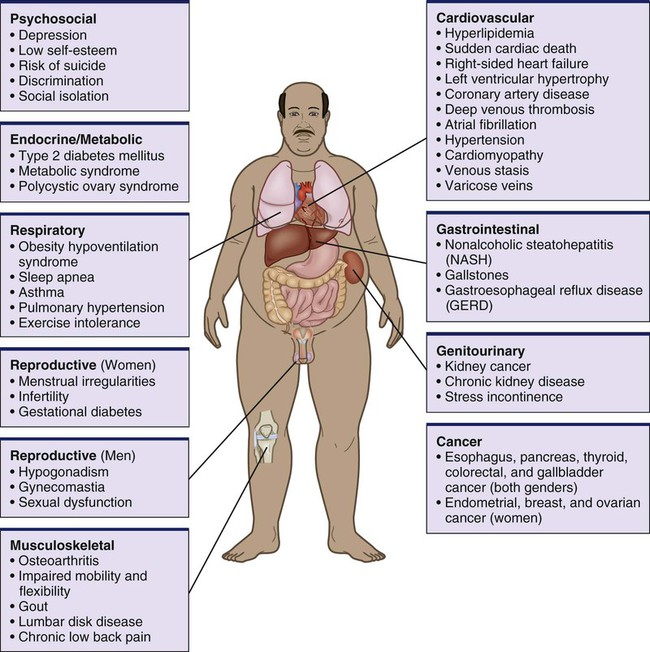
I was accused this week by some commentators on social media for blaming, and by implication shaming, people with MS about lifestyle factors that may impact the long term outcome of their MS.  One person said, “stop pushing ‘lifestyle changes’ code for lose weight on people as a fix. It’s insulting and belittling”. In fact, this is incorrect. My dietary recommendations (caloric restriction, intermittent fasting and ketogenic diets) are directed at biohacking and using ketosis as a neuroprotective and pro-remyelinating strategy rather than weight loss. Similarly, exercise (aerobic and HIIT) is about inducing changes within the CNS to promote recovery of function and anti-inflammatory effects in the periphery. The fact that these dietary interventions and exercise can lead to, but not necessarily, weight loss is really not that relevant. Saying this obesity is an issue for pwMS in that that there is a lot of evidence that obesity itself impacts MS outcomes and affects the quality of life of pwMS. In addition, obesity is associated with and causes many comorbidities, which in turn impact MS outcomes (see figure below). 

So is obesity a disease or a lifestyle choice? Although this would be a good debate for medical philosophers I am firmly in the camp that at a population level obesity is a metabolic disease that needs to be treated. However, it is up to individuals to choose whether or not they want their obesity treated, in the same way, they have the right to have their MS treated or not. 

Some people with MS may not agree with me and hence choose not to have their obesity treated. In these people, obesity is a lifestyle choice and they are presumably well-informed and comfortable with the consequences of being obese. In this situation, who am I to interfere? However, I still feel I have a responsibility to ask the question about the problem? 

Because of the sensitive issue of fat-shaming, it is important to open the discussion about weight in a respectful and non-judgmental way. You will be more open to talk about it and seek help if you feel respected. Before asking patients if they wish to discuss their weight, I mention the impact being overweight can have on MS and general health. I usually bundle the weight issue with a discussion about general health and wellbeing. I use the term weight or BMI, which people prefer to the terms such as obesity, obese, fat, excess fat and being overweight.  I also cognizant about cultural differences, for example, in certain cultures being overweight is still viewed as a sign of being healthy and/or affluent. 

So as a neurologist who manages people with MS should I ignore lifestyle issues such as smoking, alcohol misuse, poor diet, obesity, sedentary behaviour? Maybe this should be left to the GP or family doctor? What does your neurologist do? Another commentator made the point that as I don’t have MS, i.e. have a lived experience of what it is really like to have MS, I shouldn’t expect pwMS to self-manage aspects of their disease such as lifestyle factors. Do you agree? 

Please note weight also swings both ways. I have numerous patients who are too thin. Some have eating disorders, others caloric restrict too much to treat their MS, others don’t eat to avoid food coma and others may have a systemic disease associated with loss of weight that needs to be diagnosed and managed. Being too thin is also associated with poor health outcomes. So asking about weight is very relevant to the holistic management of MS. 

Please note that over the last 20 years the dogma that obesity is due to ‘too many calories in (overeating) and too few calories out (too little exercise)’ has been debunked. Not all calories are made equal, i.e. not all calorific foods are obesogenic. Obesity is a metabolic or endocrine disorder and there are well-established ways to treat obesity. The corollary is also true, there are well-established ways to become obese. So if you have concerns about your weight, be it that you are underweight or overweight please discuss it with your HCP.  

Mendizabal et al. Comorbid disease drives short-term hospitalization outcomes in patients with multiple sclerosis. Neurol Clin Pract . 2020 Jun;10(3):255-264. 

Objective: Readmission is used as a quality indicator and is the primary target outcome for disease-modifying therapy (DMT) for multiple sclerosis (MS). However, data on readmissions for patients with MS are limited.

Methods: Using the US Nationwide Readmissions Database, we performed a retrospective cohort study of adults hospitalized for MS in 2014. Primary study outcomes were within 30- and 90-day readmissions. Descriptive analyses compared patient, clinical, and hospital variables readmission status. Multivariable logistic regression models estimated the associations between these variables and readmission.

Results: Of 16,629 individuals meeting the study criteria, most were women (73.7%), aged 35-54 years (48.0%), and Medicare program participants (36.8%). In total, 49.7% of inpatients with MS had 1-2 comorbid medical conditions and 23.7% had 3 or more. Having 3 or more comorbidity conditions associated with increased adjusted odds of the 30-day readmission (adjusted odds ratio [AOR] 1.92, 1.34-2.74). Anemia (AOR 1.62, 1.22-2.14), rheumatoid arthritis/collagen vascular diseases (AOR 2.20, 1.45-3.33), congestive heart failure (AOR 2.43, 1.39-4.24), chronic pulmonary disease (AOR 1.35, 1.02-1.78), diabetes with complications (AOR 2.27, 1.45-3.56), hypertension (AOR 1.25, 1.03-1.53), obesity (AOR 1.35, 1.05-1.73), and renal failure (AOR 1.68, 1.06-2.67) were associated with the 30-day readmission. Medicare insurance and nonroutine discharge were also associated with readmission, whereas patient characteristics (sex, age, and socioeconomic status) were not. The most frequent (26.7%) reason for readmission was multiple sclerosis. Ninety-day analyses produced similar findings.

Conclusions: Comorbid diseases were associated with the readmission for persons with multiple sclerosis. Evaluations of the real-world effectiveness for DMTs in reducing hospitalizations in patients with MS may need to consider comorbid disease burden and management.

Stenberg et al. Bariatric and metabolic surgery in patients with morbid obesity and multiple sclerosis – a nationwide, matched cohort study. Surg Obes Relat Dis. 2021 Jun;17(6):1108-1114.

Background: Despite an association between obesity and multiple sclerosis (MS), very little is known regarding the safety and efficacy outcomes for patients with MS and severe obesity undergoing metabolic surgery.

Objectives: The aim of the present study was to evaluate early complications and efficacy outcomes of metabolic surgery in patients with severe obesity and MS.

Setting: Nationwide, Sweden.

Methods: In this, matched cohort study, 196 patients with an MS diagnosis in the Swedish MS register who were undergoing metabolic surgery (gastric bypass or sleeve gastrectomy) with a registration in the Scandinavian Obesity Surgery Registry (SOReg) were matched 1:10 with a control group without MS diagnosis from the SOReg. A 2-stage matching procedure was used (exact match by surgical method, followed by propensity Score matching, including age, sex, preoperative BMI, surgical center, surgical access, year of surgery, hypertension, diabetes, sleep apnea, and dyslipidemia).

Results: Weight loss at 2 years after surgery was similar for patients with MS and controls (total weight loss 31.6 ± 9.1 versus 31.8 ± 9.2, P = .735). No significant differences were seen in either the overall postoperative complication rate (7.9% versus 7.2%, P = .778), or serious postoperative complications (3.7% versus 2.8%, P = .430). All aspects of health-related quality of life (HRQoL) improved in both groups but less so for the physical aspects of HRQoL in patients with MS.

Conclusion: Metabolic surgery is a safe and efficient treatment for severe obesity in patients with MS, and it leads to subsequent improvements in HRQoL. Further studies addressing the effects of metabolic surgery on MS-related symptoms are needed.

Conflicts of Interest

Preventive Neurology

Twitter

LinkedIn

Medium

General Disclaimer: Please note that the opinions expressed here are those of Professor Giovannoni and do not necessarily reflect the positions of the Barts and The London School of Medicine and Dentistry nor Barts Health NHS Trust and are not meant to be interpreted as personal clinical advice. 

A no-brainer?

Barts-MS rose-tinted-odometer: ★★★★★ (aquamarine on a very rainy Friday in London, #00FFBF) 

I recently had a patient of mine who has been desperate to be treated with alemtuzumab actually ask if he can change his mind and rather be referred for AHSCT (autologous hematopoietic stem cell transplantation). Why? Because the chances of being put into long term remission, and hence potentially being cured of having MS, seems to be much higher with AHSCT. This particular patient has no concerns about the risks associated with alemtuzumab or AHSCT. The most important concern on his radar is his long term outcome. He wants a healthy brain when he gets older.

This is why this most recent paper on the long term outcome of Italian patients who received AHSCT adds to the mounting evidence base of the effectiveness of AHSCT. In patients with relapsing-remitting treated with AHSCT, MS 86% and 71% were free of disability worsening at 5 and 10 years, respectively. These figures for patients with progressive MS were 71% and 57% at 5 and 10 years, respectively. 

The results are less impressive when using NEDA-3 status, i.e. no relapses, MRI activity or disability progression. For patients with RRMS, probabilities of achieving NEDA3 status were 62% at 5 years and 41% at 10 years, respectively. However, and importantly, in the subgroup of patients with RRMS who underwent AHSCT with the BEAM+ATG conditioning protocol, which is more aggressive, NEDA-3 status was achieved in 68% and 55% of subjects at 5 and 10 years, respectively. 

In subjects with progressive MS, NEDA-3 status was only achieved 51% and 37% of subjects at 5 and 10 years, respectively. 

On average, disability scores improved in relapsing-remitting subjects and got worse in subjects with progressive disease, which implies that AHSCT does not stop smouldering disease. However, almost all subjects had failed one or more DMTs prior to AHSCT. The latter is important. The average EDSS was ~6.0 and most patients had a disease duration of longer than 10 years. This makes me wonder how better the results would be if AHSCT was done earlier in the course of MS, i.e. before too much damage to the brain and spinal cord had accumulated. This is why we really need to test AHSCT as first-line therapy in MS. Could AHSCT done early stop/reverse or prevent the establishment of smouldering disease? In other words, does AHSCT cure people from having MS? This is why a trial of AHSCT in very early MS, i.e. as a first-line treatment, is a no-brainer to me.

Please note that three deaths occurred due to AHSCT, which was 1.4% of the entire study population. 

The take home messages are: 

  1. AHSCT is the most effective DMT we have for treating MS. 
  2. RRMS responds better to AHSCT than progressive MS.
  3. BEAM+ATG conditioning protocol is superior to cyclophosphamide-based protocols.
  4. Mortality remains relatively high with AHSCT.
  5. The results would be much better than this if patients had had AHSCT earlier in the course of their disease. 

I was criticised yesterday for suggesting lifestyle changes to pwMS when I had no idea what it was like to have MS. It was implied that unless you have lived with MS, i.e. the lived experience, I shouldn’t be making any lifestyle recommendations to pwMS particularly around weight loss and diet. What I can say is that I have treated and followed thousands of people with MS and I know enough that if I had MS I would have no hesitation in wanting to be treated first-line with AHSCT or alemtuzumab and to manage all the lifestyle issues I referred to in my post ‘ASK NOT‘. 

What underpins my decision to be treated with alemtuzumab and AHSCT first-line is the data missing from this paper on the end-organ; both of these treatments will on average normalise brain volume loss in treated subjects. In other words, these treatments are on top of the ladder when it comes to preventing end-organ damage. The downside of AHSCT is that the brain takes a significant neurotoxicity hit from the chemotherapy with accelerated brain volume loss in year one. In addition, there is also the high, but delayed secondary malignancy risk and high mortality risk associated with AHSCT that needs to be taken into account. Therefore, alemtuzumab probably wins out on safety as a potential first-line therapy. Please remember being treated with alemtuzumab does not exclude you from being treated with AHSCT at a later stage. 

Boffa et al. Long-Term Clinical Outcomes of Hematopoietic Stem Cell Transplantation in Multiple Sclerosis. Neurology. 2021 Jan 20;10.1212/WNL.0000000000011461. doi: 10.1212/WNL.0000000000011461. 

Objective: To determine whether autologous hematopoietic stem cell transplantation (aHSCT) is able to induce durable disease remission in people with multiple sclerosis (MS), we analyzed the long-term outcomes after transplant in a large cohort of MS patients.

Methods: To be included, a minimum data set (consisting of age, MS phenotype, EDSS at baseline, information on transplant technology and at least 1 follow-up visit after transplant) was required.

Results: 210 patients were included [relapsing-remitting (RR)MS=122(58%)]. Median baseline EDSS was 6(1-9), mean follow-up was 6.2(±5.0) years. Among RRMS patients, disability worsening-free survival (95%CI) was 85.5%(76.9-94.1%) at 5 years and 71.3%(57.8-84.8%) at 10 years. In patients with progressive MS, disability worsening-free survival was 71.0%(59.4-82.6%) and 57.2%(41.8-72.7%) at 5 and 10 years, respectively. In RRMS patients, EDSS significantly reduced after aHSCT [p=0.001; mean EDSS change per year -0.09 (95%CI=-0.15 to -0.04%)]. In RRMS patients, the use of the BEAM+ATG conditioning protocol was independently associated with a reduced risk of NEDA-3 failure [HR=0.27(0.14-0.50), p<0.001]. Three patients died within 100-days from aHSCT (1.4%); no deaths occurred in patients transplanted after 2007.

Conclusions: aHSCT prevents disability worsening in the majority of patients and induces durable improvement in disability in patients with RRMS. The BEAM+ATG conditioning protocol is associated with a more pronounced suppression of clinical relapses and MRI inflammatory activity.

Classification of evidence: This study provides Class IV evidence that for people with MS, aHSCT induces durable disease remission in most patients.

Conflicts of Interest

Preventive Neurology

Twitter

LinkedIn

Medium

General Disclaimer: Please note that the opinions expressed here are those of Professor Giovannoni and do not necessarily reflect the positions of the Barts and The London School of Medicine and Dentistry nor Barts Health NHS Trust and are not meant to be interpreted as personal clinical advice. 

#MSCOVID19: get vaccinated

Barts-MS rose-tinted-odometer: ★ (Blue Thursday #000080)

Where are all the new MS patients gone? We have national data showing that there has been a 30% fall in the number of new patients with MS starting on disease-modifying therapies (DMTs) during the COVID-19 pandemic. Where are these patients? I suspect due to the reconfiguration of the NHS because of COVID-19 many of these patients have yet to find their way through the diagnostic pathway. 

Many patients may have had neurological symptoms suggestive of a demyelinating syndrome and decided against seeking medical attention during the crisis. As these symptoms may have remitted they have now gotten on with their lives. Others are waiting for MRI scans, lumbar punctures and evoked potentials. 

We were hoping our Barts-MS service would get back to some form of new normal, but this is unlikely to happen for some time. A big concern is a recent increase in COVID-19 cases as a result of the Delta or Indian variant of SARS-CoV-2. More worrying is the low rate of vaccine uptake in our local area due to vaccine hesitancy

As you can see from the latest Government figures infections rates in Whitechapel are surging well above the national average and the vaccine data figures are very worrying; the majority of adults in Whitechapel have not been vaccinated and more importantly, less than a quarter (24.3%) have not had two doses compared to close to 60% nationally. At the Royal London Hospital, we are therefore bracing ourselves for a third/fourth wave of admissions. This will have knock-on effects and affect routine hospital services such as our Barts-MS service. The best thing you can do as an individual is to #GetVaccinatedASAP to prevent hospital admissions and deaths and to allow the NHS to get routine services back to normal. 

I have little doubt based on the principle that ‘time is brain’ that many people yet to be diagnosed with MS will do worse because of the inevitable delays in the management of their MS.

Conflicts of Interest

Preventive Neurology

Twitter

LinkedIn

Medium

General Disclaimer: Please note that the opinions expressed here are those of Professor Giovannoni and do not necessarily reflect the positions of the Barts and The London School of Medicine and Dentistry nor Barts Health NHS Trust and are not meant to be interpreted as personal clinical advice. 
Ask not

Barts-MS rose-tinted-odometer: ★★★★ (black&white)

I once proposed the question, “ask not what your healthcare professional (HCP) or MS research community can do for you, but what you can do for yourself?” and had quite a lot of pushback from some readers. Why?  

I started developing this diagram more than a decade ago summarising the holistic management of MS. What I mean by this is that if we, or more importantly you in partnership with your HCP, address every item on this diagram you should be able to optimise the management of your MS and maximise your brain health. 

Surely the therapeutic aim in MS must be to get every person with MS to old age with as healthy a central nervous system as possible so that you can age normally. I find it difficult to communicate such a long term target to my patients and their families because most people, including the healthcare community,  have relatively short or intermediate-term goals.

Please note the diagram on the holistic management of MS is not all black-and-white but has some shades of grey. The reason for the grey boxes is that we are not there yet in terms of having licensed treatments, but we are working on them. You may realise that this diagram covers the management of not only active MS, but smouldering disease as well.

Please note there is some overlap between MS-specific targets and non-MS or brain health targets, for example, exercise is neuroprotective and promotes remyelination and recovery. Every item on the diagram above has been covered before on this blog so nothing should come as a surprise to you unless you are new to the blog.

Are you up for taking on the ‘Holistic Management Challenge’ yourself? Do you have enough information? Do you have enough support from your HCP to do so? 

Conflicts of Interest

Preventive Neurology

Twitter

LinkedIn

Medium

General Disclaimer: Please note that the opinions expressed here are those of Professor Giovannoni and do not necessarily reflect the positions of the Barts and The London School of Medicine and Dentistry nor Barts Health NHS Trust and are not meant to be interpreted as personal clinical advice. 

It’s a fine line

Barts-MS rose-tinted-odometer: ★★ (Monday feels like an orange day; an orange cocktail day)

“I can’t wait for the next MS breakthrough; it will take 10-15 years to reach the clinic. I have smouldering MS and I need to do something about it now. Tell me Gavin what would you do if you were in my situation ?” PwMS

I have just had a call with a person with MS who I know very well. This person is not a patient of mine but he was asking me honestly what should he do about maximising his chances of doing well. He has been reading my recent blog posts and feels he needs to do something about his MS. He said he doesn’t want to have any regrets

In summary, he is middle-aged (49 years of age) and was treated with dimethyl fumarate for 6 years and was switched to ocrelizumab shortly after it was licensed. The switch was not because of breakthrough disease activity; he just thought he needed to be treated with a more effective DMT and the private neurologist who he saw recommended against having HSCT or alemtuzumab. He remains relapse and MRI disease activity free but has noticed his left leg dragging after walking long distances. His memory is not as good as it was in the past and he suffers from cognitive fatigue. He just knows he is getting worse regardless of what his EDSS and MRIs are showing. He knows he has early SPMS or smouldering disease.

What should he do? 

In the past I have always told my patients I am an academic and I can’t recommend X or Y because the evidence is just not good enough that they will make a difference. I also don’t want to be viewed as the MS expert who is recommending off-label or unproven therapies. The line between being an evidence-based practitioner and a quack is a fine line

Do I tell him to hang in there and wait for an evidence-based therapy to emerge or do I give advice about things that may make a difference? If I did give him advice would a scientific rationale be enough (preclinical data) to support my position or should my advice be based on data from preliminary trials in people with MS? Do you think it is irresponsible to give generic advice on managing smouldering MS? Finally, do any of you have advice on how you are self-managing your smouldering MS? 

Conflicts of Interest

Preventive Neurology

Twitter

LinkedIn

Medium

General Disclaimer: Please note that the opinions expressed here are those of Professor Giovannoni and do not necessarily reflect the positions of the Barts and The London School of Medicine and Dentistry nor Barts Health NHS Trust and are not meant to be interpreted as personal clinical advice. 

Purple haze

Barts-MS rose-tinted-odometer: ★★ (Purple Haze Friday #7D7098; looking forward to the weekend)

It is quite amazing how large and extensive the focal inflammatory lesion blindspot or scotoma is in the field of MS. I was on a call with a few American neurologists last week and they were saying how anti-CD20 therapy has transformed their MS practice. One neurologist claimed that 4 out of 5 of their patients were now going onto ocrelizumab or ofatumumab. He even said that ofatumumab will become the new Copaxone; i.e. no blood monitoring and very safe. Do you agree? When I reminded this neurologist of the end-organ damage data, i.e. brain volume loss, and the progression independent of relapse data in relation to anti-CD20 therapies he dismissed me saying that these patients were free of relapses and their MRI’s were quiet so he had done his job. 

And herein lies the problem, the wider MS community including MS experts are not prepared to look beyond relapses and MRI activity; for them this is MS. In other words, if you render people relapse and MRI activity free then you have treated their MS. However, if you scratch the surface this is clearly not the case. If relapses were MS then they would predict long term outcome, but they don’t except when you are on therapy. According to the Prentice criteria that define a surrogate endpoint for relapses to be MS they need to predict outcome regardless of treatment. This is why relapses cannot be MS; relapses and their MRI equivalent (focal lesions) simply represent the immune system’s response to what is causing the disease or the real MS. 

The data set below from the MS-Base register supports this proposition; i.e. off-therapy relapses do not predict long-term outcome, unlike on-therapy relapses. This point is so fundamental to understanding the real MS that most people can’t get their heads around it. 

So what does this mean to you if you have MS? It means that if you have no evident inflammatory disease activity (NEIDA), and are relapse-free and MRI-activity free, it doesn’t mean your MS is necessarily under control. In other words, you could still be losing brain volume at double the rate of what is expected for your age and you could still be worsening. This is why we mustn’t be lulled into a sense of false security that we have cracked MS with our current therapies, in particular with the anti-CD20 therapies. We really need to go beyond NEIDA and target smouldering MS with new add-on strategies. 

I hope all this makes sense? I have asked you before, would you rather be NEIDA or NEIDA and NEO-EOD (no evident ongoing end-organ damage)? The challenge for the MS community is to shift our focus to the latter target. 

image
Figure from the Ann Neurol. Contribution of on- and off-therapy annualized relapse rate (ARR) to 10-year median Expanded Disability Status Scale (EDSS) changes (95% confidence interval). Here the ARR is normalized to 1. This figure shows the results of 2 adjusted quantile median regression analyses. All analyses were adjusted for gender, age at baseline, disease duration, the proportion of follow-up on first-line disease-modifying therapy (DMT), pregnancies, first DMT identity, baseline EDSS score, and clinic country. Subanalysis 1 (S1) includes all 2,466 patients from the primary analysis. Subanalysis 2 (S2) only models those patients who were able to contribute to both on-treatment and off-treatment epochs (n = 1,475). This figure demonstrates that on-treatment relapses have a profound effect on long-term EDSS increases, whereas off-treatment relapses have a marginal effect on disability outcomes.

Jokubaitis et al. Predictors of long-term disability accrual in relapse-onset multiple sclerosis. Ann Neurol. 2016 Jul;80(1):89-100. 

Objective: To identify predictors of 10-year Expanded Disability Status Scale (EDSS) change after treatment initiation in patients with relapse-onset multiple sclerosis.

Methods: Using data obtained from MSBase, we defined baseline as the date of first injectable therapy initiation. Patients need only have remained on injectable therapy for 1 day and were monitored on any approved disease-modifying therapy, or no therapy thereafter. Median EDSS score changes over a 10-year period were determined. Predictors of EDSS change were then assessed using median quantile regression analysis. Sensitivity analyses were further performed.

Results: We identified 2,466 patients followed up for at least 10 years reporting post-baseline disability scores. Patients were treated an average 83% of their follow-up time. EDSS scores increased by a median 1 point (interquartile range = 0-2) at 10 years post-baseline. Annualized relapse rate was highly predictive of increases in median EDSS over 10 years (coeff = 1.14, p = 1.9 × 10(-22) ). On-therapy relapses carried greater burden than off-therapy relapses. Cumulative treatment exposure was independently associated with lower EDSS at 10 years (coeff = -0.86, p = 1.3 × 10(-9) ). Furthermore, pregnancies were also independently associated with lower EDSS scores over the 10-year observation period (coeff = -0.36, p = 0.009).

Interpretation: We provide evidence of long-term treatment benefit in a large registry cohort, and provide evidence of long-term protective effects of pregnancy against disability accrual. We demonstrate that high annualized relapse rate, particularly on-treatment relapse, is an indicator of poor prognosis. Ann Neurol 2016;80:89-100.

Conflicts of Interest

Preventive Neurology

Twitter

LinkedIn

Medium

General Disclaimer: Please note that the opinions expressed here are those of Professor Giovannoni and do not necessarily reflect the positions of the Barts and The London School of Medicine and Dentistry nor Barts Health NHS Trust and are not meant to be interpreted as personal clinical advice. 

#MSCOVID19 – the fourth wave

Barts-MS rose-tinted-odometer: ★★★ (a blueish-green Thursday; looking forward to being a weekend warrior  #0d98ba )

My heart sank when I saw the latest COVID-19 UK case numbers. Here we go again? I don’t think so simply because the vaccines are working as well as the protective immunity induced by wild-type SARS-CoV-2 infection. I just wish the Government would take a pragmatic approach to the science and allow people who have been vaccinated (double-dose) and with confirmed previous SARS-CoV-2 infection to get back to normal. 

It is clear from Israel that people who have had COVID-19 are as immune as vaccinated people to (re)infection with the virus. This will almost certainly apply to the circulating variants that as yet are not immune escape variants, i.e. capable of reinfecting large numbers of people who are meant to be immune to SARS-CoV-2. 

The biggest concern with the current Indian or Delta SARS-CoV-2 variant is that it is more transmissible and more virulent, which means people who are not vaccinated are taking a big risk. This is very relevant to the East end of London where the vaccination rates in adults are below 50% because of significant vaccine hesitancy in the local population. We are therefore at high risk of a significant fourth wave of infections, which will have implications for our hospital and other services, including the MS service. We really need some respite from fighting and dealing with COVID-19 so that we can get back to normal or at least near normal. So please think carefully about resisting vaccination; you are not only putting yourself at risk but are impacting the health of others.

Please remember that COVID-19 and SARS-CoV-2 are going nowhere soon and will almost certainly become endemic, i.e. the virus and its variants will remain with us forever. So if you have not been vaccinated you will at some point in time get exposed to SARS-CoV-2 and get COVID-19. The risks of COVID-19 and its consequences, including long-COVID, are orders of magnitude worse than the risks of the vaccine. Therefore please #GetVaccinatedASAP. In my opinion there really are very few reasons to say no! Do you agree?

Goldberg et al. Protection of previous SARS-CoV-2 infection is similar to that of BNT162b2 vaccine protection: A three-month nationwide experience from Israel.  medRxiv preprint doi: https://doi.org/10.1101/2021.04.20.21255670.

Worldwide shortage of vaccination against SARS-CoV-2 infection while the pandemic is still uncontrolled leads many states to the dilemma whether or not to vaccinate previously infected persons. Understanding the level of protection of previous infection compared to that of vaccination is critical for policy making. We analyze an updated individual-level database of the entire population of Israel to assess the protection efficacy of both prior infection and vaccination in preventing subsequent SARS-CoV-2 infection, hospitalization with COVID-19, severe disease, and death due to COVID-19. Vaccination was highly effective with overall estimated efficacy for documented infection of 92·8% (CI:[92·6, 93·0]); hospitalization 94·2% (CI:[93·6, 94·7]); severe illness 94·4% (CI:[93·6, 95·0]); and death 93·7% (CI:[92·5, 94·7]). Similarly, the overall estimated level of protection from prior SARS-CoV-2 infection for documented infection is 94·8% (CI:[94·4, 95·1]); hospitalization 94·1% (CI:[91·9, 95·7]); and severe illness 96·4% (CI:[92·5, 98·3]). Our results question the need to vaccinate previously-infected individuals.

Conflicts of Interest

Preventive Neurology

Twitter

LinkedIn

Medium

General Disclaimer: Please note that the opinions expressed here are those of Professor Giovannoni and do not necessarily reflect the positions of the Barts and The London School of Medicine and Dentistry nor Barts Health NHS Trust and are not meant to be interpreted as personal clinical advice.