Obesity

Barts-MS rose-tinted-odometer: ★★★ (a dark blue Saturday; a chastised weekend warrior #00008b )

I was accused this week by some commentators on social media for blaming, and by implication shaming, people with MS about lifestyle factors that may impact the long term outcome of their MS.  One person said, “stop pushing ‘lifestyle changes’ code for lose weight on people as a fix. It’s insulting and belittling”. In fact, this is incorrect. My dietary recommendations (caloric restriction, intermittent fasting and ketogenic diets) are directed at biohacking and using ketosis as a neuroprotective and pro-remyelinating strategy rather than weight loss. Similarly, exercise (aerobic and HIIT) is about inducing changes within the CNS to promote recovery of function and anti-inflammatory effects in the periphery. The fact that these dietary interventions and exercise can lead to, but not necessarily, weight loss is really not that relevant. Saying this obesity is an issue for pwMS in that that there is a lot of evidence that obesity itself impacts MS outcomes and affects the quality of life of pwMS. In addition, obesity is associated with and causes many comorbidities, which in turn impact MS outcomes (see figure below). 
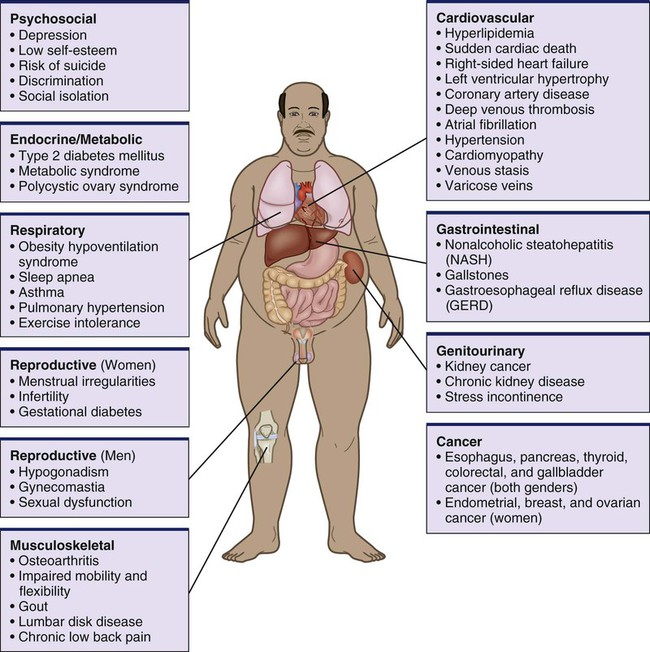
So is obesity a disease or a lifestyle choice? Although this would be a good debate for medical philosophers I am firmly in the camp that at a population level obesity is a metabolic disease that needs to be treated. However, it is up to individuals to choose whether or not they want their obesity treated, in the same way, they have the right to have their MS treated or not. 

Some people with MS may not agree with me and hence choose not to have their obesity treated. In these people, obesity is a lifestyle choice and they are presumably well-informed and comfortable with the consequences of being obese. In this situation, who am I to interfere? However, I still feel I have a responsibility to ask the question about the problem? 

Because of the sensitive issue of fat-shaming, it is important to open the discussion about weight in a respectful and non-judgmental way. You will be more open to talk about it and seek help if you feel respected. Before asking patients if they wish to discuss their weight, I mention the impact being overweight can have on MS and general health. I usually bundle the weight issue with a discussion about general health and wellbeing. I use the term weight or BMI, which people prefer to the terms such as obesity, obese, fat, excess fat and being overweight.  I also cognizant about cultural differences, for example, in certain cultures being overweight is still viewed as a sign of being healthy and/or affluent. 

So as a neurologist who manages people with MS should I ignore lifestyle issues such as smoking, alcohol misuse, poor diet, obesity, sedentary behaviour? Maybe this should be left to the GP or family doctor? What does your neurologist do? Another commentator made the point that as I don’t have MS, i.e. have a lived experience of what it is really like to have MS, I shouldn’t expect pwMS to self-manage aspects of their disease such as lifestyle factors. Do you agree? 

Please note weight also swings both ways. I have numerous patients who are too thin. Some have eating disorders, others caloric restrict too much to treat their MS, others don’t eat to avoid food coma and others may have a systemic disease associated with loss of weight that needs to be diagnosed and managed. Being too thin is also associated with poor health outcomes. So asking about weight is very relevant to the holistic management of MS. 

Please note that over the last 20 years the dogma that obesity is due to ‘too many calories in (overeating) and too few calories out (too little exercise)’ has been debunked. Not all calories are made equal, i.e. not all calorific foods are obesogenic. Obesity is a metabolic or endocrine disorder and there are well-established ways to treat obesity. The corollary is also true, there are well-established ways to become obese. So if you have concerns about your weight, be it that you are underweight or overweight please discuss it with your HCP.  

Mendizabal et al. Comorbid disease drives short-term hospitalization outcomes in patients with multiple sclerosis. Neurol Clin Pract . 2020 Jun;10(3):255-264. 

Objective: Readmission is used as a quality indicator and is the primary target outcome for disease-modifying therapy (DMT) for multiple sclerosis (MS). However, data on readmissions for patients with MS are limited.

Methods: Using the US Nationwide Readmissions Database, we performed a retrospective cohort study of adults hospitalized for MS in 2014. Primary study outcomes were within 30- and 90-day readmissions. Descriptive analyses compared patient, clinical, and hospital variables readmission status. Multivariable logistic regression models estimated the associations between these variables and readmission.

Results: Of 16,629 individuals meeting the study criteria, most were women (73.7%), aged 35-54 years (48.0%), and Medicare program participants (36.8%). In total, 49.7% of inpatients with MS had 1-2 comorbid medical conditions and 23.7% had 3 or more. Having 3 or more comorbidity conditions associated with increased adjusted odds of the 30-day readmission (adjusted odds ratio [AOR] 1.92, 1.34-2.74). Anemia (AOR 1.62, 1.22-2.14), rheumatoid arthritis/collagen vascular diseases (AOR 2.20, 1.45-3.33), congestive heart failure (AOR 2.43, 1.39-4.24), chronic pulmonary disease (AOR 1.35, 1.02-1.78), diabetes with complications (AOR 2.27, 1.45-3.56), hypertension (AOR 1.25, 1.03-1.53), obesity (AOR 1.35, 1.05-1.73), and renal failure (AOR 1.68, 1.06-2.67) were associated with the 30-day readmission. Medicare insurance and nonroutine discharge were also associated with readmission, whereas patient characteristics (sex, age, and socioeconomic status) were not. The most frequent (26.7%) reason for readmission was multiple sclerosis. Ninety-day analyses produced similar findings.

Conclusions: Comorbid diseases were associated with the readmission for persons with multiple sclerosis. Evaluations of the real-world effectiveness for DMTs in reducing hospitalizations in patients with MS may need to consider comorbid disease burden and management.

Stenberg et al. Bariatric and metabolic surgery in patients with morbid obesity and multiple sclerosis – a nationwide, matched cohort study. Surg Obes Relat Dis. 2021 Jun;17(6):1108-1114.

Background: Despite an association between obesity and multiple sclerosis (MS), very little is known regarding the safety and efficacy outcomes for patients with MS and severe obesity undergoing metabolic surgery.

Objectives: The aim of the present study was to evaluate early complications and efficacy outcomes of metabolic surgery in patients with severe obesity and MS.

Setting: Nationwide, Sweden.

Methods: In this, matched cohort study, 196 patients with an MS diagnosis in the Swedish MS register who were undergoing metabolic surgery (gastric bypass or sleeve gastrectomy) with a registration in the Scandinavian Obesity Surgery Registry (SOReg) were matched 1:10 with a control group without MS diagnosis from the SOReg. A 2-stage matching procedure was used (exact match by surgical method, followed by propensity Score matching, including age, sex, preoperative BMI, surgical center, surgical access, year of surgery, hypertension, diabetes, sleep apnea, and dyslipidemia).

Results: Weight loss at 2 years after surgery was similar for patients with MS and controls (total weight loss 31.6 ± 9.1 versus 31.8 ± 9.2, P = .735). No significant differences were seen in either the overall postoperative complication rate (7.9% versus 7.2%, P = .778), or serious postoperative complications (3.7% versus 2.8%, P = .430). All aspects of health-related quality of life (HRQoL) improved in both groups but less so for the physical aspects of HRQoL in patients with MS.

Conclusion: Metabolic surgery is a safe and efficient treatment for severe obesity in patients with MS, and it leads to subsequent improvements in HRQoL. Further studies addressing the effects of metabolic surgery on MS-related symptoms are needed.

Conflicts of Interest

Preventive Neurology

Twitter

LinkedIn

Medium

General Disclaimer: Please note that the opinions expressed here are those of Professor Giovannoni and do not necessarily reflect the positions of the Barts and The London School of Medicine and Dentistry nor Barts Health NHS Trust and are not meant to be interpreted as personal clinical advice. 

Ask not

Barts-MS rose-tinted-odometer: ★★★★ (black&white)

I once proposed the question, “ask not what your healthcare professional (HCP) or MS research community can do for you, but what you can do for yourself?” and had quite a lot of pushback from some readers. Why?  

I started developing this diagram more than a decade ago summarising the holistic management of MS. What I mean by this is that if we, or more importantly you in partnership with your HCP, address every item on this diagram you should be able to optimise the management of your MS and maximise your brain health. 

Surely the therapeutic aim in MS must be to get every person with MS to old age with as healthy a central nervous system as possible so that you can age normally. I find it difficult to communicate such a long term target to my patients and their families because most people, including the healthcare community,  have relatively short or intermediate-term goals.

Please note the diagram on the holistic management of MS is not all black-and-white but has some shades of grey. The reason for the grey boxes is that we are not there yet in terms of having licensed treatments, but we are working on them. You may realise that this diagram covers the management of not only active MS, but smouldering disease as well.

Please note there is some overlap between MS-specific targets and non-MS or brain health targets, for example, exercise is neuroprotective and promotes remyelination and recovery. Every item on the diagram above has been covered before on this blog so nothing should come as a surprise to you unless you are new to the blog.

Are you up for taking on the ‘Holistic Management Challenge’ yourself? Do you have enough information? Do you have enough support from your HCP to do so? 

Conflicts of Interest

Preventive Neurology

Twitter

LinkedIn

Medium

General Disclaimer: Please note that the opinions expressed here are those of Professor Giovannoni and do not necessarily reflect the positions of the Barts and The London School of Medicine and Dentistry nor Barts Health NHS Trust and are not meant to be interpreted as personal clinical advice. 

It’s a fine line

Barts-MS rose-tinted-odometer: ★★ (Monday feels like an orange day; an orange cocktail day)

“I can’t wait for the next MS breakthrough; it will take 10-15 years to reach the clinic. I have smouldering MS and I need to do something about it now. Tell me Gavin what would you do if you were in my situation ?” PwMS

I have just had a call with a person with MS who I know very well. This person is not a patient of mine but he was asking me honestly what should he do about maximising his chances of doing well. He has been reading my recent blog posts and feels he needs to do something about his MS. He said he doesn’t want to have any regrets

In summary, he is middle-aged (49 years of age) and was treated with dimethyl fumarate for 6 years and was switched to ocrelizumab shortly after it was licensed. The switch was not because of breakthrough disease activity; he just thought he needed to be treated with a more effective DMT and the private neurologist who he saw recommended against having HSCT or alemtuzumab. He remains relapse and MRI disease activity free but has noticed his left leg dragging after walking long distances. His memory is not as good as it was in the past and he suffers from cognitive fatigue. He just knows he is getting worse regardless of what his EDSS and MRIs are showing. He knows he has early SPMS or smouldering disease.

What should he do? 

In the past I have always told my patients I am an academic and I can’t recommend X or Y because the evidence is just not good enough that they will make a difference. I also don’t want to be viewed as the MS expert who is recommending off-label or unproven therapies. The line between being an evidence-based practitioner and a quack is a fine line

Do I tell him to hang in there and wait for an evidence-based therapy to emerge or do I give advice about things that may make a difference? If I did give him advice would a scientific rationale be enough (preclinical data) to support my position or should my advice be based on data from preliminary trials in people with MS? Do you think it is irresponsible to give generic advice on managing smouldering MS? Finally, do any of you have advice on how you are self-managing your smouldering MS? 

Conflicts of Interest

Preventive Neurology

Twitter

LinkedIn

Medium

General Disclaimer: Please note that the opinions expressed here are those of Professor Giovannoni and do not necessarily reflect the positions of the Barts and The London School of Medicine and Dentistry nor Barts Health NHS Trust and are not meant to be interpreted as personal clinical advice. 

Unsteadiness

Barts-MS rose-tinted-odometer: ★★★★★

How many of you people who have MS (pwMS) have balance problems; i.e. when you stand and close your eyes or try and stand on one leg you tend to fall? 

Since my accident, I have been having problems with balance. I first noticed it when I tried to stand on one leg and I would feel unsteady. When walking to and from the bathroom at night I tend to veer to one side. I suspect my balance problems are due to vestibular problems as a result of my head injury and possibly due to my neck injuries. I say possibly due to my neck injury as the concept of cervical vertigo or cervicogenic unsteadiness is very controversial in neurology. But as there are specialised receptors in the neck that pick-up neck rotation it is possible that these have been affected by the injury and surgery.  

Despite my balance problems not affecting most things I do, it makes it difficult to complete what I call routine or standard daytime tasks. For example, getting dressed in the morning; when I put on underpants or trousers I have often have to sit down. Leaning forward to pick-up things off the floor is now very difficult I as I tend to tip forwards. I can’t stand on my tiptoes to get things off a high-shelf; I now have to use a chair. These things add up and are a sign that things are not right. 

I have never specifically focused on subtle balance issues in my MS clinic, which must be very common in pwMS. I would be interested to know if any of you suffer from balance problems? Have you been referred for a physical assessment? Have you has specific rehabilitation exercises to address the issue? Has the rehab helped?

It is clear that since I became aware of my balance issues and I have started doing specific exercises to address the issue, things have improved. I can now stand on either leg unsupported for over a minute when just a few weeks ago I could only manage to do this for a few seconds. Whether this will translate in better functioning remains to be seen. 

There are a number of well-established rehabilitation programmes that have been shown to help with balance problems. So my advice to you is rather than suffering in silence ask for an assessment and a referral for vestibular or balance rehabilitation. If you don’t try and correct the problem it is likely to get worse. And don’t accept no for an answer. There are also a lot of online tools available to help you with self-assessments and self-rehabilitation if you are that way inclined.

Kalron et al. The effect of balance training on postural control in people with multiple sclerosis using the CAREN virtual reality system: a pilot randomized controlled trial. J Neuroeng Rehabil. 2016 Mar 1;13:13. doi: 10.1186/s12984-016-0124-y.

Background: Multiple sclerosis (MS) is a multi-focal progressive disorder of the central nervous system often resulting in diverse clinical manifestations. Imbalance appears in most people with multiple sclerosis (PwMS). A popular balance training tool is virtual reality (VR) with several advantages including increased compliance and user satisfaction. Therefore, the aim of this pilot RCT (Trial registration number, date: ISRCTN14425615, 21/01/2016) was to examine the efficacy of a 6-week VR balance training program using the computer assisted rehabilitation environment (CAREN) system (Motek Medical BV, Amsterdam, Netherlands) on balance measures in PwMS. Results were compared with those of a conventional balance exercise group. Secondary aims included the impact of this program on the fear of falling.

Methods: Thirty-two PwMS were equally randomized into the VR intervention group or the control group. Each group received balance training sessions for 6 consecutive weeks, two sessions per week, 30 min sessions. Clinical balance tests and instrumented posturography outcome measures were collected upon initiation of the intervention programs and at termination.

Results: Final analysis included 30 patients (19 females, 11 males; mean age, (S.D.) = 45.2 (11.6) years; mean EDSS (S.D.) = 4.1 (1.3), mean disease duration (S.D.) = 11.0 (8.9) years). Both groups showed a main effect of time on the center of pressure (CoP) path length with eyes open (F = 5.278, P = .024), sway rate with eyes open (F = 5.852, P = .035), Functional Reach Test (F = 20.841, P = .001), Four Square Step Test (F = 9.011, P = .031) and the Fear of Falls self-reported questionnaire (F = 17.815, P = .023). In addition, significant differences in favor of the VR program were observed for the group x time interactions of the Functional Reach Test (F = 10.173, P = .009) and fear of falling (F = 6.710, P = .021).

Conclusions: We demonstrated that balance training based on the CAREN device is an effective method of balance training for PwMS.

Crowdfunding: Are you a supporter of Prof G’s ‘Bed-to-5km Challenge’ in support of MS research?

CoI: multiple

Twitter: @gavinGiovannoni                                              Medium: @gavin_24211

Rethinking healthcare

Barts-MS rose-tinted-odometer: ★★★★★

My accident, which has forced me to rest, has also given me time to reflect and think. I now realise that we are potentially at a crossroads that could allow us to reconfigure healthcare. The reasons for doing this are obvious. The current antiquated Victorian model of healthcare, which is fixed in time (synchronous) and place (geography), is too inflexible; in particular for the emerging era of preventive medicine. The NHS is simply not ready nor configured for the efficient implementation of preventive medicine and for aiding people to self-manage their own chronic diseases.  

We clearly can’t get rid of hospitals and their associated infrastructure, which are needed for managing acute problems, for example, trauma and surgery. However, can we reconfigure the healthcare system to free up resources so that hospitals can do what they do best, i.e. treat acute medical problems? And can we shift the management of chronic problems out of institutions such as hospitals and break the fixed-time/place constraints for managing these conditions? 

In reality, this is already happening, albeit poorly planned, with the rapid adoption of telemedicine during COVID-19 pandemic. Many of my colleagues, probably the majority, think telemedicine is a temporary solution and are keen to get back to the pre-COVID-19 way of practising medicine. This is where I differ from them; I  don’t want to go back to the same-old. The same-old is not very satisfying for HCPs and patients alike. In reality, the Victorian model of healthcare defines patients as passive recipients of healthcare and creates physical and psychological barriers to the delivery of healthcare. By having the HCP in control of the consultation disempowers patients. The current system disenfranchises patients, i.e. they have very little control over how they interact with the NHS; it is our way or no way at all. Simply, navigating the NHS is a daunting task. In reality, NHS is a quagmire; a hotchpotch of local services that differ from region to region in their delivery, access and quality. 

When I was discharged from hospital with a TTO (to-take-out) prescription and other supplies, such as wound dressings etc., that would only last two weeks and a referral to the local community rehabilitation team, I was told that my discharge letter to the GP and referral letter will be sent out the same day. I was instructed that I would have to make an appointment with my GP for suture removal and to get a repeat prescription in two weeks time. When I tried to contact my GP I was directed to an NHS online portal to make the appointment. The online questionnaire took about 25 minutes to complete and when I got to the end it told me that it could not make me an E-appointment, or a physical appointment, because my problem was urgent, when in fact it clearly was not urgent. The NHS portal then instructed me to phone my GP practice urgently. Fortunately, the NHS online portal gave me a specific telephone number to call my GP practice. When I dialled this number it was answered promptly, but the receptionist was unable to make my appointments for the suture removal nor the repeat prescription until I had spoken to a GP. The receptionist then scheduled an urgent telephone consultation for me to talk to a GP that afternoon. 

A very kind GP phoned me that afternoon but clearly had a blank screen in front of them. My discharge summary had not reached them yet and all the information I had entered on the NHS portal that morning about my accident, my management and my medications had not been transferred to the GP’s record. I then spent the next 15 minutes going through my recent history and management and giving her a list of all the medications I had been discharged on before she could offer me an appointment to have my sutures removed. I was then told that I had to repeat this process about 48 hours before my repeat prescription was due so that repeat-prescription could be processed in time for me to collect my medications. I am anticipating going through a similar process to one above for next week’s consultation; let’s hope I will be pleasantly surprised. 

When you analyse my touchpoints with the NHS above you realise how much duplication of tasks and data entry are occurring with each episode. If you multiply this up across the UK you soon realise how inefficient the NHS is when it comes to data capture and data repurposing and time wasted recapturing data. Surely there is a simple IT solution to this problem? 

My worry is what happens to people who are not digitally aware and who do not have home access to the NHS E-portal? Can they bypass this NHS digital stonewall? This is why we need the government to pass legislation making internet access a utility and mandatory for all citizens and that local authorities have to put in place programmes to teach the digital illiterate how to use these resources or provide them with the necessary help to do so. If Finland can do this so can the UK. 

As I had not heard from the community rehabilitation team by Thursday (6 days post-discharge) I called the number that I had been given on the copy of the referral letter I was given when I was discharged from King’s College Hospital. When I got through to the rehab team they had no record of my referral. Interestingly, they were able to locate my electronic record, but I was then told that I was speaking to the wrong community rehabilitation team. They then provided me with a new contact number and this time I got through to the right service, only to find out that the waiting list for home rehabilitation was 10-12 weeks. I subsequently told them as I had achieved all the objectives set for me on the referral letter and was it necessary to see them at all? As I was speaking to an administrator she wasn’t prepared to take me off the waiting list. At least the latter prompted a call from an occupational therapist the next day. I told the occupational therapist that since discharge I had become fully independent and was now walking at least 1km per day without support. I made her aware that I was also doing a daily upper body and lower body work-outs and was seen improvements on a daily basis. She agreed that I didn’t need to see the rehab team and has now officially cancelled my referral; I am off the waiting list. Despite this, I think I still need some advice about the intensity of my rehab programme, whether or not I am focusing on the right muscles and whether or not I need passive stretching and massage. 

As you can see I have taken my rehabilitation into my own hands with the help of my anatomical knowledge, Google and some basic home gym equipment I purchased from Amazon; you can call this self-management or DIY rehab. This is an example of a patient, me, being proactive; why can’t this type of behaviour be extended into other areas of healthcare? I would have loved to have been directed to an NHS website to have guided me through this process or even better an intelligent NHS application that collected data and adapted my rehab programme to my needs. The data collected via the self-management rehab app could then be repurposed for learning, research and included in my personalised electronic health record. Am I asking too much? 

The greatest untapped resource in preventive medicine and in the management of chronic diseases, such as multiple sclerosis, are us the patients. How do we grab this moment of opportunity in time to empower and equip patients with the skills and resources to revolutionise their own healthcare? 

The NHS is a behemoth and one of the largest employers in the world, which makes it very difficult to change. I like to think of the NHS as a healthcare platform. The hardware is its real estate (hospitals, clinics, etc.) and its operating system are its staff and myriad of contractors who support the NHS. At the moment the NHS is a distributed network of hardware that are poorly connected to each other in terms of data sharing and sharing best practice. Just as computing technology has moved away from using standalone software to cloud-based software with data storage and analysis in the cloud I think we can do the same with the NHS. So if one NHS Trust or a GP practice develops a self-management service to manage as an example neurogenic bladder it should be cloud-based, use a standard data collection protocol and standard APIs (automated programming interface) that will allow another service to use it as well and plug it into their own system. 

So what happens if three or four competing apps for the self-management of bladder dysfunction emerge? You could let them compete against each other in an NHS app store and over time the one that is rated highest with the most users will become de facto the best. The competition will encourage innovation and will hopefully drive improvement in the applications on offer.  Using the cloud and standardise protocols will rapidly scale self-management protocols and drive innovation in the NHS. 

What about diagnostic apps? These already exist and can be improved on. What happens if a diagnostic application requires a neurological assessment, neuroimaging or other diagnostic tests? This is when tech meets traditional medicine and the application makes an appointment to see the neurologist linked to that specific part of the pathway. The neurologist won’t be seeing this person blind. The application will have collected data in a systematic way that will be available for the neurologist to review and to add to, i.e. to enrich the data. I also see a future when these self-management and diagnostic apps having embedded assessment tools and outcome measures, which will enrich the data. 

Some people will criticise this future view of healthcare as being dystopian. I should remind you that this is already happening in real life.  What is important is that pwMS, HCPs and other stakeholders are involved with the design testing and refinement of the apps and that a robust ethical framework is put in place to safeguard patients. In addition, NHS digital will need well-run teaching courses in parallel to upskill patients, their carers and families on how to navigate and use this system. 

If you think more broadly you realise that the human touchpoints in a digitalised healthcare system don’t necessarily have to be geographically constrained and therein lies the power of a distributed network; it taps into the whole country and that will allow economies of scale to develop. For example, a well-run and resourced self-management application for chemotherapy-induced nausea and vomiting could manage tens of thousands of patients and do it extraordinarily well rather than having thousands of duplicate services across the country who don’t do it very well. I use chemotherapy-induced nausea and vomiting as an example because a close friend of ours was suffering terribly after chemotherapy and only found relief months into her treatment when she was referred to a palliative care team with the know-how. Why didn’t her oncology team get it right the first time? What mechanism is there for the palliative care team to feedback to the oncology team what that found effective? I suspect there won’t be a feedback look because our friend has been discharged from oncology for palliative care.

The big data a system such as this will generate will allow artificial intelligence to learn and tweak the application(s) and the system will be able to improve itself. A question the NHS will need to ask itself is whether or not it is prepared to give digital power to the people and let them control and own their own data and management? The NHS can always ask permission to use patient-level data for improving the system, doing research and for providing standardised, state-of-the-art care, that in time will be truly personalised. I suspect only a tiny minority of people won’t consent to the repurposing of their data for the common good.

The NHS role should not be to try and control this digital revolution but encourage their million pulse employees to be creative. NHS Digital would obviously need to create the backbone, i.e. the data sharing standards, ethical approvals, define the APIs, create a funding stream and create and support a high-level developers platform that is easy to use. The latter will make sure the apps all speak a common language and will integrate their data into NHS electronic health records. The NHS will also be required to run an App store with reviews and have a clear tiered system for apps;  (1) app currently in-development, (2) developed, but being clinically validated and (3) validated and available for general NHS use.

At the moment the NHS app library is simply a list of third-party apps that have been vetted by the NHS. Apps in this library are stand-alone apps that don’t integrate into a common electronic health record the way I would want and expect them to.

If done well the NHS app store could change healthcare for both the NHS and other healthcare systems too. The NHS would revolutionise healthcare and possibly make a little money on the side, by licensing the apps to other countries, healthcare systems and private users.  

What do you think?  

CoI: multiple

Twitter: @gavinGiovannoni 

Medium: @gavin_24211

Sleep glorious sleep

In last week’s BMJ there was a short piece on ‘How to write your own wellbeing prescription’ and the top piece of advice was to improve your sleep. Sleep is the most important performance-enhancing agent we know so you have to find a way to optimise your sleep. We know poor sleep is the elephant in the room. Most studies on sleep in MS show that over 70% of pwMS have a sleep disorder of some kind. The following figure summaries the results from a survey we did many years ago of our blog readers. I doubt much has changed. 

You know what it is like if you wake in the morning and you have had a good night’s sleep; you feel energised, your mood is better and you are prepared to take on the world. In contrast, when you wake from a night of tossing and turning, legs jerking, getting-up to go to the toilet several times, with a hangover from too much alcohol the night before, etc. you find it challenging to get through the day; you are irritable and your mood is low. 

The study below in people with MS shows that restless legs syndrome, which is commoner in pwMS, not only affects sleep quality but is associated with poor cognition. So if you have RLS bring it to the attention of your HCP so that you can get it treated. 

The following is a simple self-help guide to improve your sleep hygiene:

1. Make sure you spend an appropriate amount of time asleep in bed; a minimum of 6 hours. Some people need more than this to feel refreshed. 

2. Limit daytime naps to 30 minutes. Please note that napping does not make up for inadequate nighttime sleep. 

3. Avoiding stimulants such as caffeine, modafinil and nicotine close to bedtime. 

4. Only drink alcohol in moderation. Alcohol is well-known to help you fall asleep faster, but too much disrupts sleep.

5. Exercise helps improve sleep quality. As little as 10 minutes of aerobic exercise per day can improve sleep quality. 

6. Don’t eat before going to bed. Heavy foods and fizzy drinks can trigger indigestion or heartburn/reflux that disrupts sleep.

7. Ensure you get adequate exposure to natural light; exposure to sunlight during the day, as well as darkness at night, helps to maintain a normal sleep-wake cycle. 

8. Establish a regular relaxing bedtime routine, which helps the body to recognise that it is bedtime. This could include taking a shower or bath or reading. However, avoid reading or watching emotionally upsetting content before attempting to sleep.

9. Making sure that your sleep environment is pleasant. Your mattress and pillows should be comfortable. The bedroom should be cool for optimal sleep (16-20°C). The bright light from lamps, smartphones and television screens can make it difficult to fall asleep, so turn those lights off or adjust them when possible. Use the blue filter mode on your smartphone and other devices that reduces the inhibition of melatonin from light. Consider using blackout curtains, eyeshades, earplugs, white noise machines and other devices that can make the bedroom more relaxing.

10. And if you have pain, nocturia, restless legs, sleep apnoea, etc. get these adequately managed via your HCP.

Please let us know what strategies work for you to improve your sleep.  An important role of this blog is to share best practice and alternative practices as well. We like it when our patients hack their own physiology to come up with solutions that work. Don’t forget our treatment aim is to maximise your brain health and part of this philosophy is the holistic management of MS including sleep.

Cederberg et al. Restless Legs Syndrome, Sleep Quality, and Perceived Cognitive Impairment in Adults With Multiple Sclerosis. Mult Scler Relat Disord. 2020 May 18;43:102176. doi: 10.1016/j.msard.2020.102176. 

Background: Restless Legs Syndrome (RLS) is a prominent sleep disorder that often worsens sleep quality and perhaps cognitive function in adults with multiple sclerosis (MS). The present study examined the relationships among RLS prevalence and severity, sleep quality, and perceived cognitive impairment in adults with MS.

Methods: Participants (N=275) completed the Cambridge-Hopkins Restless Legs Syndrome Questionnaire, the International Restless Legs Syndrome Study Group (IRLS) Scale, the Multiple Sclerosis Neuropsychological Screening Questionnaire (MSNQ), the Pittsburgh Sleep Quality Index (PSQI), the Patient Determined Disease Steps (PDDS), and a demographic and clinical characteristics questionnaire.

Results: Persons with MS who had RLS (i.e., MS+RLS; n=74) reported significantly worse perceived cognitive impairment compared with those who did not have RLS (n=201; p=0.015). Bivariate correlation analyses within the MS+RLS group indicated that greater RLS severity was significantly associated with more severe perceived cognitive impairment (r=0.274) and sleep quality (r=0.380), and worse perceived cognitive impairment was significantly associated with worse sleep quality (r=0.438). Linear, step-wise regression analyses indicated that RLS severity significantly predicted perceived cognitive impairment (β=0.274), but the inclusion of sleep quality (β=0.391) accounted for the relationship between RLS severity and perceived cognitive impairment (β=0.126).

Conclusions: Our results suggest that sleep impairment may be an intermediary factor in the association between RLS severity and cognitive impairment in persons with MS who present with RLS. The diagnosis and treatment of RLS symptoms and other effectors of sleep quality could improve neuropsychological consequences of MS.

CoI: multiple

Wiped-out and you?

Do you relate to this list of facts in relation to MS-fatigue?

  1. The most common spontaneously reported symptom for pwMS is fatigue.
  2. PwMS use the words “tired,” “exhausted,” “wiped out,” and having “little or no energy” to describe their fatigue. 
  3. More patients rated fatigue as their “most troubling symptom” compared with other MS-related symptoms. 
  4. Half of the people living with MS report feeling constantly fatigued and more than 90% reported experiencing fatigue at least daily. 
  5. The top three most frequently reported negative impacts of fatigue were social functioning, emotional well-being, and cognitive functioning. 
  6. PwMS describe themselves as “homebodies,” as fatigue limited their social interactions with friends and family and impacted the types of activities they could participate in. 
  7. PwMS attribute their inability to think clearly or focus for long periods of time to their fatigue. 
  8. PwMS report experiencing depression and anxiety because of their fatigue, which would often have further negative effects on their relationships with friends and family. 

Although this list comes from a new qualitative study on MS-related fatigue (see below) they are not new insights.

As fatigue is a reasonably well-defined problem in MS we should be asking ourselves why haven’t we cracked it and have effective treatments to manage it?

I think we can crack-it but we have to acknowledge that MS fatigue relates to (1) active inflammation and (2) the consequences of the damage that inflammation causes. If we acknowledge this then we are half-way towards treating and preventing MS-related fatigue, i.e. treating MS early (before too much damage occurs) and effectively (NEDA and beyond). 

The following is what we know about MS-related fatigue.

Inflammation in the brain causes fatigue. This is due to inflammatory mediators or cytokines, in particular, interleukin-1 (IL-1) and TNF-alpha, which trigger sickness behaviour. Sickness behaviour is the behavioural response we have to inflammation, which forces us to rest and sleep so that our body can recover. This is what happens to you when you get a viral infection; in fact many of the pwMS I look after describe their fatigue as being similar to the fatigue they experience when they get flu. Sickness behaviour from an evolutionary perspective is well conserved and occurs in most animals. This type of fatigue needs to be managed by switching off ongoing inflammation in the brain. This is why so many pwMS who go onto highly-effective DMTs come back saying ‘I feel so much better, my fatigue and/or brain fog has cleared’. Do you relate to this? This is why recent-onset fatigue that can’t be explained by other factors (see below) may indicate MS disease activity. At present fatigue on its own does not constitute a relapse, but there are some of us who would disagree; particularly if we investigate more deeply we often find subclinical/MRI or biomarker (neurofilament) evidence of relapse in these patients.

Another cause of fatigue is the exercise-related conduction block. This is when pwMS notice their legs getting weaker with exercise. We think this is due to demyelinated, or remyelinated axons, failing to conduct electrical impulses when they become exhausted. Exercise-induced fatigue is probably the same as temperature-related fatigue; a rise in body temperature also causes vulnerable axons to block and stop conducting. To deal with this type of fatigue we need therapies to promote remyelination and to increase conduction. These types of fatigue are treated by rest, cooling and possibly drugs such as fampridine that improve conduction. At the heart of this type of fatigue is localised energy failure.

The other cause of fatigue is neural plasticity. When the brain is damaged by MS other areas are co-opted to help take over, or supplement, the function of the damaged area. In other words, it takes more brainpower to complete the same task that normal people do. This type of fatigue usually manifests as mental fatigue and is why pwMS have difficulty concentrating for prolonged periods of time. At present we have no specific treatment for this type of fatigue except to prevent it by treating MS early and effectively. Some patients find amantadine and modafinil helpful. In short, preventing the loss of brainpower, or damage, in the first place should prevent this type of fatigue.

Fatigue can also be related to so-called co-morbidities, or other diseases, that are related to MS. The big co-morbidities that cause fatigue, which need to be screened for are:

  • Infection – we all get tired when we have infections; it triggers sickness behaviour 
  • An underactive thyroid gland or hypothyroidism – hypothyroidism is commoner in pwMS 
  • Poor sleep hygiene and/or sleep disorders – if you are not sleeping well you feel tired in the morning 
  • Obesity – when you are overweight it takes more energy to perform physical tasks 
  • Depression and anxiety; fatigue is a common symptom of depression and anxiety and unless this is screened for and treated in persists.  
  • Side effects of drugs; in particular drugs that cause sedation and from DMTs. Anticholinergics and anti-spasticity drugs are sedating and blunt cognition and may worsen MS-related fatigue. Specific side effects, for example, the flu-like side effects from interferon-beta may make fatigue worse. 
  • Excessive alcohol consumption; although classified as drug alcohol causes and exacerbates MS-related fatigue in several ways, most notably by causing poor sleep hygiene and exacerbating depression.
  • Deconditioning; deconditioning is simply the term we use for being unfit. If you are unfit, performing a demanding physical task makes you tired. Deconditioning is treated with exercise, which paradoxically can reduce fatigue. 
  • Poor nutrition; some pwMS are anorexic and eat very poorly and hence have little energy as a result of this. Although this is quite rare I look after a few pwMS with this problem. Similarly, overnutrition may have the same effect. Some of the hormones your gut produce cause you to feel tired and want to sleep; i.e. the so-called siesta effect. Reducing the size of your meals and changing your eating behaviour may improve post-prandial (after eating fatigue). I have a few patients who avoid eating lunch for this reason. Too much fast-sugar (high-glycaemic index) raises insulin levels that cause post-prandial insomnia or food coma. Going onto a low carbohydrate diet helps this type of fatigue.

It is apparent from this discussion that fatigue in MS is more complex than you realise and needs a systematic approach to be treated and managed correctly. So be careful, or at least wary, when your neurologist simply wants to reach for the prescription pad to get you out of the consultation room as quickly as possible. Like other MS-related problems, an holistic and systematic approach is needed to manage and treat MS-related fatigue correctly. 

On a positive note, you should also be able to use the information in this post to help formulate a fatigue self-management plan and prepare yourself to ask the really challenging questions when you next see your MS team. 

I would be interested to know if any of you have any stories to relate with us about your attempts to self-manage your fatigue, particularly during lock-down. 

Penner et al. Exploring the Impact of Fatigue in Progressive Multiple Sclerosis: A Mixed-Methods Analysis. Mult Scler Relat Disord 2020 May 27;43:102207.

Background: Patient-focused literature on fatigue in progressive forms of multiple sclerosis (MS) is sparse. This study aimed to explore progressive MS patients’ experiences of fatigue.

Methods: Adult patients in the United States with primary progressive MS (n=21) and secondary progressive MS (n=23), recruited from research panels, completed the following PRO measures: Patient Global Impression of Severity (Fatigue) (PGI-F); Fatigue Scale of Motor and Cognitive Functions (FSMC); Modified Fatigue Impact Scale (MFIS); Patient Health Questionnaire, two-item version (PHQ-2); and Patient Determined Disease Steps (PDDS). Patients subsequently participated in a 45-minute semistructured telephone interview and were asked to describe their MS symptoms and to comment on how MS affected their day-to-day lives. More detailed questions followed on the nature of their fatigue, including symptoms, impacts, frequency, and bothersomeness.

Results: Patients’ mean age was 52.5 years, mean time since diagnosis was 14.7 years, and 81.8% were female. 79.5% of patients were unemployed and/or receiving disability benefits. Of all spontaneously reported MS symptoms, fatigue was the most common (n=38, 86.4%), followed by ambulation problems (n=31, 70.5%) and muscle weakness (n=25, 56.8%). Patients used the words “tired,” “exhausted,” “wiped out,” and having “little or no energy” to describe their fatigue. More patients rated fatigue as their “most troubling symptom” (n=17, 38.6%) compared with other MS-related symptoms. Half of patients reported feeling constantly fatigued, and more than 90% reported experiencing fatigue at least daily. The top three most frequently reported negative impacts of fatigue were social functioning, emotional well-being, and cognitive functioning (all >80%). Patients described themselves as “homebodies,” as fatigue limited their social interactions with friends and family and impacted the types of activities they could participate in. Patients attributed their inability to think clearly or focus for long periods of time to their fatigue. Patients also reported experiencing depression and anxiety because of their fatigue, which would often have further negative effects on their relationships with friends and family. On the fatigue PRO measures, mean (standard deviation) scores were 75.2 (14.7) on the FSMC and 55.0 (15.2) on the MFIS. Most participants scored in the “high” fatigue category on the FSMC (84.1%) and above the clinically significant fatigue threshold (86.4%). MFIS and FSMC total scores correlated with PGI-F (polyserial correlations r=0.74 and r=0.62, both p<0.01) and PHQ-2 (r=0.56 and r=0.57, both p<0.01), but not with PDDS (r=0.09 and r=0.02, both p>0.05).

Conclusions: Fatigue is a common, troublesome, and disabling symptom which has a profound impact on patients’ daily lives, as evidenced by qualitative analyses and high scores on established fatigue measures observed in this sample. These findings provide insights into the burden of fatigue and can inform its measurement in both clinical and research settings. Treatments that improve the symptoms of fatigue or prevent exacerbations are needed for patients with progressive MS.

CoI: multiple